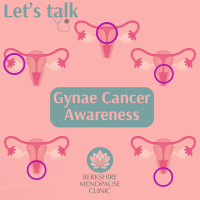
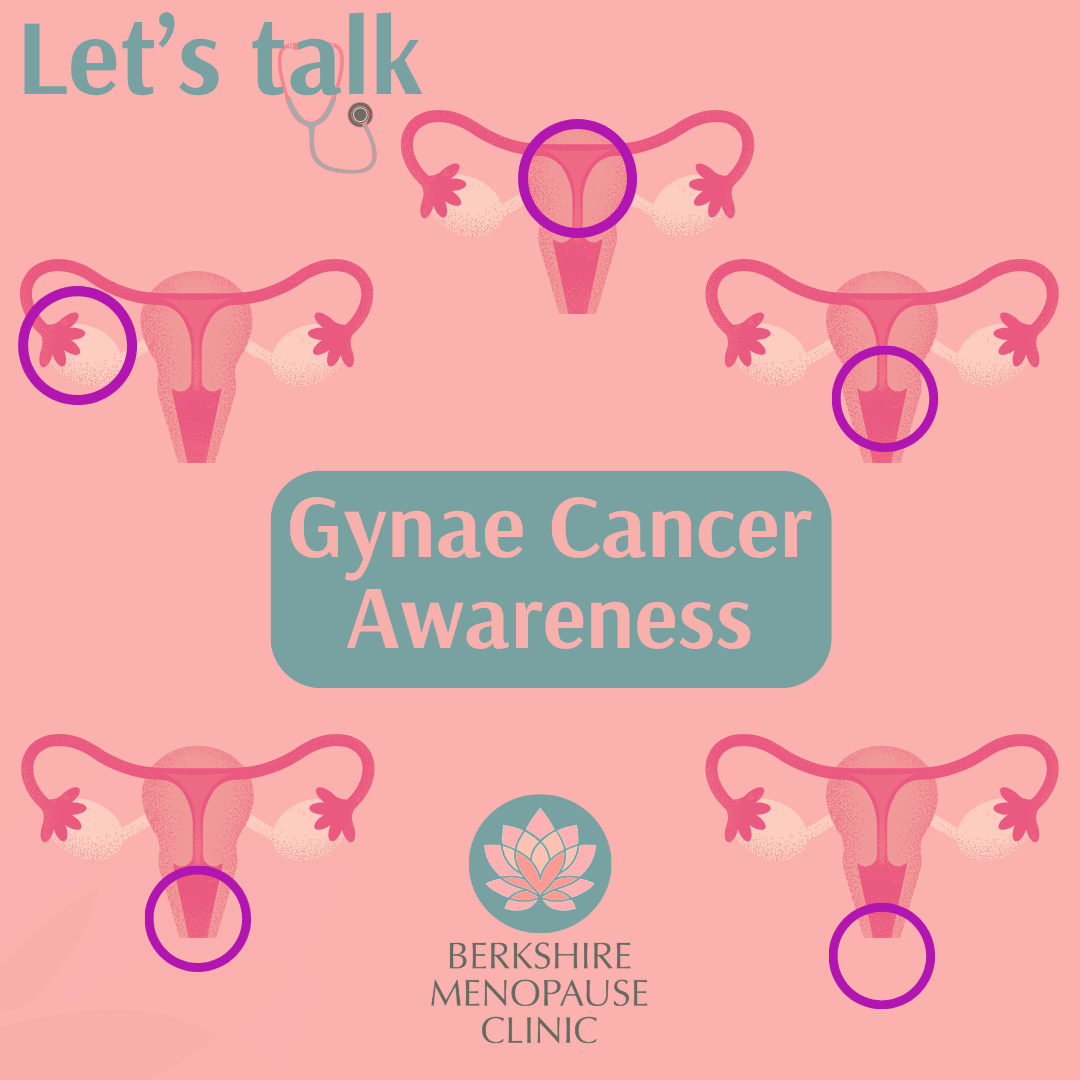
Gynaecology Cancer Awareness — Know your normal
September is Gynaecology Cancer Awareness Month, and while many of us are familiar with checking our breasts or paying attention to changes in our menstrual cycle, far fewer women feel comfortable looking at or talking about their vulva.
But knowing what is normal for you is one of the simplest ways to spot when something has changed.
So let me start with a question. Do you know what your vulva looks like? Have you ever looked using a mirror? Do you check regularly?
For many women, the answer is no, and that’s completely understandable.
In fact, many women aren’t sure of the difference between the vulva and the vagina, often using the word “vagina” to describe the whole genital area. But medically they’re different. The vulva is everything you can see on the outside, while the vagina is the internal passage leading to the cervix (neck of the womb).
Why does this matter?
Because it helps you recognise and describe your symptoms more accurately. For example, many women tell their doctor they have an “itchy vagina”, when the itching is actually affecting the skin of the vulva. Similarly, a lump on the vulva is different from a lump inside the vagina. Knowing where your symptoms are can help your healthcare professional ask the right questions, decide whether you need an examination, and reach the correct diagnosis more quickly.
If you’re not sure exactly where your symptoms are coming from, don’t worry—you don’t need to be an expert. But becoming familiar with your own anatomy means you’ll be much more likely to notice when something has changed and feel confident saying, “This doesn’t look or feel quite right.”
It’s important to remember that everyone’s body is different. There is no single “normal” appearance. The size, shape and colour of the labia vary enormously, and changes can also occur naturally with age, pregnancy and menopause. The key is recognising what is normal for you.
Gynaecology cancer awareness
Most changes are not caused by cancer, but persistent symptoms should never be ignored.
Speak to your doctor if you notice:
- Persistent itching, particularly if it’s in one specific area or keeps returning.
- Ongoing soreness, burning or discomfort.
- Changes in skin colour, such as white, red, or dark patches.
- A lump or swelling.
- A sore or ulcer that doesn’t heal.
- Thickened or raised areas of skin.
- A wart-like growth.
- A new mole, or a mole that changes in size, shape or colour.
- Bleeding or discharge that isn’t normal for you.
- Pain during sex or persistent tenderness.
Not every itch is thrush
One symptom I encourage women not to dismiss is persistent itching, particularly if it is affecting one specific area. While it’s tempting to assume it’s thrush and keep reaching for over-the-counter treatments, an itch that doesn’t settle or keeps coming back should be assessed.
Persistent itching can be caused by a number of conditions including thrush, eczema, lichen sclerosus, hormonal changes related to menopause, or other vulval skin disorders. Occasionally, persistent itching can also be a sign of Vulval Intraepithelial Neoplasia (VIN), a pre-cancerous condition, or more rarely, vulval cancer.
The condition Lichen sclerosus itself is not cancer, but many women do not realise, if left untreated it is associated with a small increased risk of vulval cancer.
And did you know you can get skin cancer on the vulva?
Most people are aware of checking moles on their arms, back or legs, but few realise that melanoma and other skin cancers can also occur on the vulva.
While this is uncommon, it’s another reason to become familiar with your own anatomy-checking any new mole, a mole that changes in size, shape or colour, or a pigmented area that looks different from the surrounding skin.
A patient story
Yvonne had experienced persistent itching on one side of her vulva for several months. Assuming it was thrush, she bought treatment from the pharmacy several times. It settled briefly but always came back.
Eventually, she booked an appointment and was examined. A small abnormal patch of skin was identified and a biopsy confirmed Vulval Intraepithelial Neoplasia (VIN). VIN isn’t cancer, but it is a pre-cancerous change that can develop into vulval cancer if left untreated. Fortunately, because it was diagnosed early, she received prompt treatment and continues to do well.
Seek Help Early
The purpose of sharing this information isn’t to cause unnecessary worry or alarm. Most vulval symptoms are not caused by cancer. Instead, it’s about helping you recognise when something isn’t quite right so you can seek advice early and get the correct diagnosis. Whether it’s a common skin condition, an infection, hormonal changes, or, more rarely, a pre-cancerous condition or cancer, early gynaecology cancer awareness and diagnosis often means earlier treatment and better outcomes.
Cervical screening is important, but it’s not the whole story
One common misconception I hear is that if you’re up to date with your cervical screening, it checks for all gynaecology cancers. Unfortunately, that’s not the case.
A cervical screening test has a very specific purpose: to detect abnormal cell changes in the cervix before they have a chance to develop into cervical cancer. However, it is not a “gynaecology MOT” and doesn’t examine other parts of the genital area, such as the vulva or vagina.
That’s why it’s so important to continue attending your cervical screening appointments when invited, while also paying attention to any new or persistent symptoms or changes elsewhere.
My Take-home message
By understanding what is normal for you, recognising when something has changed, and feeling confident enough to seek advice early, you can stay on top of your health.
Finally, don’t feel embarrassed. Many women delay seeking help because they feel embarrassed or assume symptoms are simply part of getting older. As specialists, we examine vulval conditions every day. There is nothing you can say or show us that will shock us.
If you’re worried or something doesn’t look or feel normal for you, don’t ignore it or keep hoping it will settle. Seek medical advice. We’re here to help.
For more support with your cervical screening, check out our cerivcal screening page
Download here