Chronic Pain and Menopause — World Menopause Day
If you were asked to name the symptoms of menopause, you might immediately think of hot flushes, night sweats or changes to your periods.
Pain probably wouldn’t be at the top of the list.
Yet in clinic, I regularly hear women say things like: “I just seem to ache everywhere,” “I wake up feeling stiff,”, “Ive got a frozen shoulder” or “I suddenly feel much older than I am.”
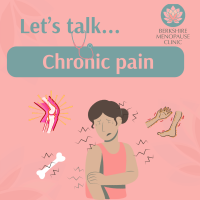
This year, the theme for World Menopause Day on 18 October is Chronic Pain at Midlife, and it is an important one.
Pain can have an enormous impact on our lives. It can affect how we sleep, exercise, work and socialise. It can make us tired and irritable and, when it persists, can change what we feel able to do.
So, why are chronic pain and menopause related?
Research has found that muscle or joint pain was reported by more than half of post-menopausal women.
This is because oestrogen doesn’t just affect our periods and reproductive system. Oestrogen receptors are found throughout the body, including in our muscles, joints, bones and nervous system. As hormone levels fluctuate during perimenopause and ultimately decline after menopause, some women notice more joint aches, muscle pains and stiffness.
Oestrogen also has a role in muscle, tendon and connective tissue health, including collagen turnover, and research suggests that hormonal changes around menopause may affect how some tissues respond to injury, with our bodies potentially taking longer to repair and recover.
Many women tell me that an injury which previously might have settled relatively quickly seems to linger for longer, or that they are more prone to troublesome tendons and joints. The science is still developing, so we can’t say that menopause is necessarily the cause of a slow-healing injury, but it is another reason why maintaining muscle strength, building exercise gradually and addressing persistent injuries rather than simply pushing through them becomes increasingly important at midlife.
It is also important to think about our bones. The fall in oestrogen around menopause accelerates bone loss, which is one reason why being postmenopausal is a risk factor for osteoporosis. Osteoporosis itself doesn’t usually cause aches and pains. In fact, it is often described as a “silent” condition because many people don’t know they have it until they sustain a broken bone (fracture). But fractures can be an important cause of persistent pain. This is particularly relevant if you have other risk factors for osteoporosis, such as an early menopause so it is important to seek the right advice if you are at increased risk.
And what about testosterone from chronic pain and menopause?
We tend to associate testosterone with men, but women produce it too, and it has understandably attracted interest because of its potential relationship with muscle, bone and physical function,
Research is ongoing into whether testosterone therapy might have beneficial effects on musculoskeletal health in women. At present, however, we don’t have good enough evidence to prescribe testosterone for this alone.
Gut Health
There is also an increasingly interesting relationship between gut health, hormones and inflammation. We know that the gut microbiome interacts closely with our immune system and can influence inflammatory processes throughout the body. Hormonal changes of menopause may alter the gut microbiome, influencing these inflammatory pathways.
Diet forms a huge part of this picture too. Diets high in ultra-processed foods have been associated with inflammation and changes in gut health, while some people find that particular foods, including dairy or gluten, seem to aggravate their own gut or inflammatory symptoms. This doesn’t mean that everybody should suddenly cut out gluten or dairy, but it is worth thinking about what we eat, our gut health and whether there are foods that consistently seem to make our individual symptoms better or worse.
As with so much in menopause, there probably isn’t one answer that applies to every woman. But this may be another piece of the jigsaw when we are thinking about inflammation, pain and our wider health at midlife.
“Is it always my hormones?”
Pain at midlife is more complicated than simply falling oestrogen.
This is also a stage of life when conditions such as osteoarthritis become more common. Lack of sleep and our experiences of stress, anxiety, low mood and fatigue can heighten pain, while being in pain itself can understandably affect our mental wellbeing and sleep. The result can become a rather unhelpful cycle.
What can I actually do?
There is rarely one magic solution to chronic pain, and management should depend on what is causing it. But there are some foundations worth thinking about.
Keep moving.
When something hurts, our instinct can understandably be to avoid using it. But regular physical activity is important for our muscles, joints and bones as we get older. Strength or resistance exercise is particularly valuable because maintaining muscle mass and strength becomes increasingly important through midlife.
That doesn’t mean suddenly joining a gym and lifting enormous weights. Walking, Pilates, yoga, swimming and gradually introduced resistance or weight-bearing exercise can all have a place. The best exercise is usually one that is appropriate for you and that you can actually sustain.
Think about nutrition and your gut health.
A varied diet containing plenty of whole foods, plants and fibre supports gut health, while adequate protein is important for maintaining muscle. Calcium and vitamin D are also important for bone health. Pay attention to your own body too. If you consistently notice that certain foods seem to aggravate your gut, pain or other symptoms, it is worth exploring rather than assuming it is something you simply have to tolerate.
Look at your sleep.
If night sweats are waking you repeatedly, for example, treating the night sweats may improve much more than simply how hot you feel. Better sleep can improve energy, mood and our ability to manage pain.
Don’t ignore stress and mental wellbeing.
This absolutely does not mean that pain is “all in your head”. Pain is real. But our nervous system, sleep, stress and emotional wellbeing are interconnected, and addressing these can be an important part of managing persistent pain.
Get the right diagnosis.
Physiotherapy, appropriate pain relief and treatment of an underlying condition may all be needed depending on the cause.
Consider HRT.
HRT can be an effective treatment for recognised menopausal symptoms, and joint and muscle pains are included within those symptoms
My take home message this World Menopause Day
For years, midlife pain has not always been given the attention it deserves, particularly the effect menopause can have on pain.
Most importantly, pain that is affecting your quality of life deserves to be taken seriously.
Ask questions. Look at the whole picture. Consider whether menopause may be playing a part, but make sure other causes aren’t being missed.
And don’t underestimate the foundations of good health at midlife including movement, maintaining muscle strength, good nutrition and gut health, sleep, and looking after your mental wellbeing.
For support with your hormonal health, get in touch