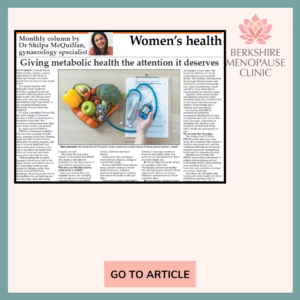
PCOS Has a New Name – PMOS And It Could Change How We Think About Women’s Health
November marks World Diabetes Day, and it’s a perfect opportunity to talk about an important change in women’s health that you may not have heard about.
You may be familiar with Polycystic Ovary Syndrome (PCOS), a common hormonal condition affecting around one in eight women. But did you know that earlier this year, following international expert agreement, it was renamed Polyendocrine Metabolic Ovarian Syndrome (PMOS)?
It’s quite a mouthful, I know! But the name change is important because it reflects something we’ve known for some time: this condition is about much more than cysts on the ovaries, and periods.
So, what exactly is PMOS?
PMOS is a hormonal condition that can cause irregular periods, acne, unwanted facial hair, thinning scalp hair and, in some women, difficulties becoming pregnant. But one of its most important, and often overlooked, features is the way it can affect our metabolism (how our body uses and stores energy from the food we eat).
Understanding this is crucial because it allows us to look at the bigger picture and address some of the underlying hormonal and metabolic changes, rather than simply treating individual symptoms. By getting to the root of the problem, we can help improve not only these often-distressing symptoms, but also women’s long-term health.
Many women with PMOS experience something called insulin resistance. Insulin is a hormone that helps move sugar from our bloodstream into our cells, where it’s used for energy. When our cells don’t respond as effectively to insulin, the body needs to produce more of it.
Over time, this can increase the risk of developing type 2 diabetes and contribute to risk factors for heart disease. Higher insulin levels can also stimulate the ovaries to produce more male-type hormones, contributing to symptoms such as acne, unwanted hair growth and irregular periods.
This is why the new name matters. It recognises that PMOS isn’t simply a reproductive condition, but one that requires a more holistic approach to care.
Why does our waistline matter, particularly in midlife?
Have you noticed that your waistline seems to be changing, even though you’re eating and exercising much as you always have?
You’re certainly not alone.
As women approach menopause, declining oestrogen levels can change where the body stores fat, with more tending to accumulate around the abdomen rather than the hips and thighs.
But it’s not just about how our clothes fit.
Fat stored deeper inside the abdomen, surrounding our internal organs, is known as visceral fat. Unlike the fat just beneath our skin, this deeper fat is more metabolically active and is associated with insulin resistance, inflammation and an increased risk of type 2 diabetes and heart disease.
Importantly, this can happen even without a dramatic change in overall body weight.
Women with PMOS may already have a greater tendency towards insulin resistance, making it particularly important to consider their metabolic health as they get older.
Importantly, women with PMOS can have insulin resistance and an increased risk of diabetes even if they are slim
What can I do for PMOS?
The good news is that small changes really can make a difference. One of the most encouraging messages from the international PMOS guidelines is that lifestyle changes can improve metabolic health, even without weight loss. For women who are overweight, even modest weight loss can help make periods more regular and improve their chances of becoming pregnant.
There isn’t one special ‘PMOS diet’ that everyone needs to follow. Instead, I encourage women to focus on sustainable habits that work for your individual lives. Here are some simple tips:
Choose balanced meals. Plenty of vegetables, fibre-rich wholegrains, protein and healthy fats can help support steadier blood sugar levels. There’s no need to eliminate carbohydrates or follow restrictive diets.
Keep moving, and don’t forget your muscles. Physical activity helps the body respond more effectively to insulin. Strength exercises are particularly valuable in midlife because maintaining muscle helps us burn calories and use glucose more effectively.
Prioritise sleep and emotional wellbeing. Poor sleep can affect appetite, blood sugar regulation and our ability to make healthy choices. Women with PMOS also experience higher rates of anxiety and depression, so looking after mental health is just as important as physical health.
Know your numbers. Whether you have PMOS, are approaching menopause or have other risk factors for diabetes, it’s worth understanding your metabolic health. This includes checking your blood sugar, blood pressure and cholesterol, as well as measuring your waist circumference, which can tell us more about the fat stored around our internal organs. Together, these measurements help identify something called metabolic syndrome, a combination of risk factors that increase our chances of developing type 2 diabetes and heart disease. For women with PMOS, international guidelines recommend checking blood sugar at diagnosis and every one to three years thereafter, depending on individual risk. Speak to your healthcare professional about which checks are appropriate for you.
My message this November
The change from PCOS to PMOS is more than just a new name. It’s a reminder that women’s health is interconnected, and that conditions affecting our hormones can have important consequences far beyond our reproductive years.
Whether you’re living with PMOS, approaching menopause or simply noticing changes in your body during midlife, understanding your metabolic health is an important step towards protecting your future wellbeing.
And above all, remember that looking after your health isn’t about perfection, restrictive diets or numbers on the scales. It’s about making informed, realistic changes, getting the right support and recognising that small steps can make a meaningful difference.
This World Diabetes Day, let’s think beyond blood sugar and give women’s metabolic health the attention it deserves.
For more support with your health and screening, check out our health checks page
Download here