Managing Endometriosis
Endometriosis affects 1 in 10 women, with around 1.5 million women in the UK currently living with the condition.
It is one of the most common gynaecological conditions which can start as early as your teenage years. So why do only a third of people know what it is and its significance. I’m here to shed some light on the importance of spotting signs early.
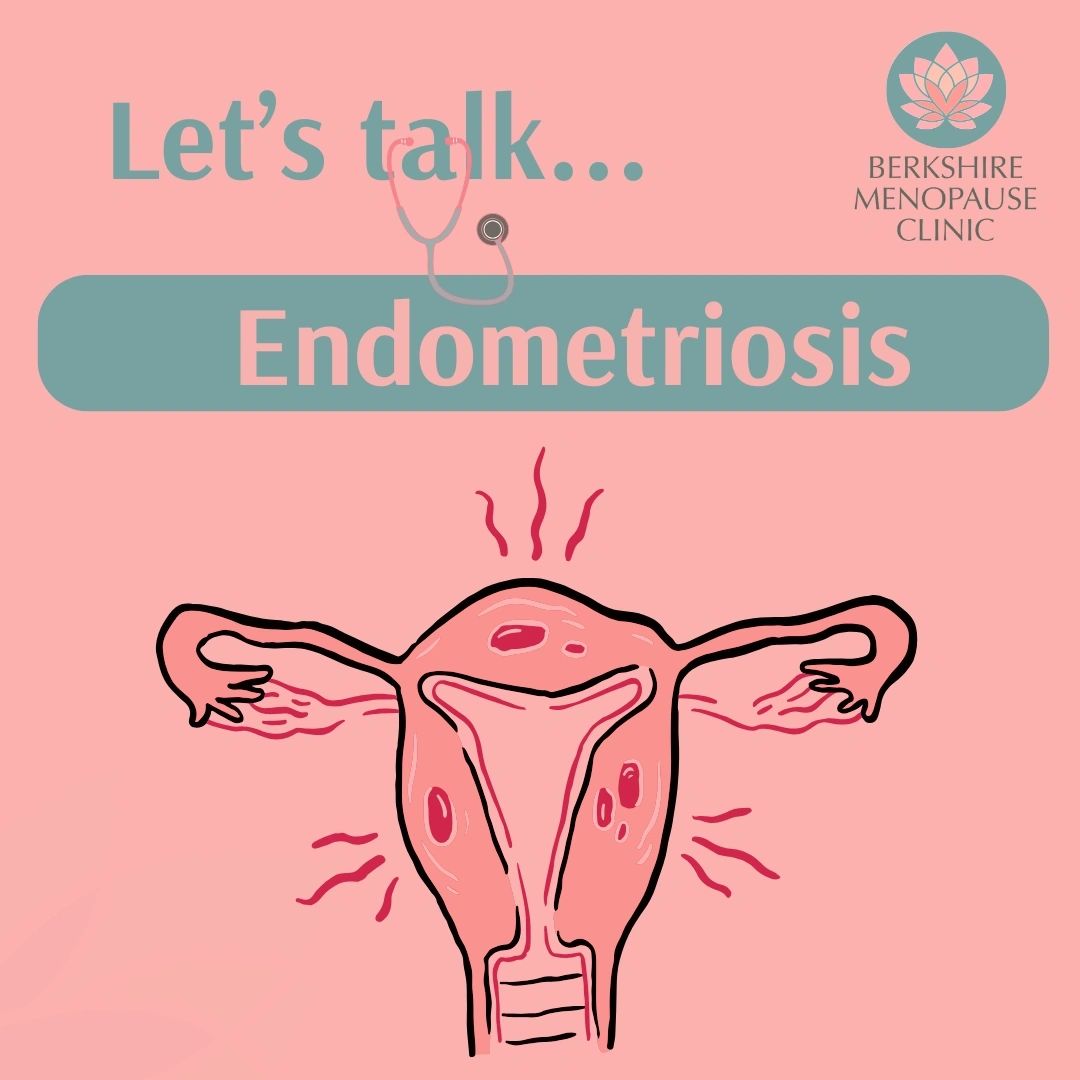
Endometriosis is a condition where tissue similar to the inner lining of the womb (endometrium) is found elsewhere, most commonly in the pelvis (other layers of the womb, ovaries and fallopian tubes), as well as areas such as the bowel, bladder and vagina. Rarely endometriosis can be found in surgical scars or distant organs such as the lungs.
Each month in a normal menstrual cycle the lining of the womb thickens, and later, breaks down as a bleed (menstrual period) leaving the body via the cervix and vagina. At the same time, in those with endometriosis, the extra tissue deposits also thicken and bleed. Unlike the lining of the womb, this blood has no way to escape, causing inflammation, scarring and blood-filled cysts in surrounding tissues and organs. This can result in a myriad of symptoms, of which the intensity and duration varies for each woman – Symptoms include: Pain in the pelvis and pain opening bowels or passing urine (more often cyclical around your period); pain during sex; pain shooting from pelvis to the tops of the legs or back; heavy periods; feeling sick and bloating.
Why is this so significant? If not treated early, this repetitive stress and trauma each month can result in irreversible damage and potentially serious outcomes such as fertility issues. Most women with endometriosis become pregnant without difficulty, but in 25% of those who undergo fertility investigations, endometriosis is diagnosed. Majority of these women will still get pregnant but early diagnosis is imperative to ensure a timely referral to a fertility specialist if appropriate.
I see women suffering so badly that their general physical health, emotional well-being, and quality of life have deteriorated. It is important to recognise the signs of endometriosis as early as possible so that you can get the help you need before you feel out of control.
‘We need to see endometriosis as a common debilitating chronic life disease that can start in teenage years. And not wait until it becomes a fertility crisis in a 30-year-old woman’
So why is it still taking, on average, over 7 years to diagnose in individuals? The simple answer is symptoms are just so variable in their pattern and intensity for each woman, making it tricky to connect the dots. In fact, the extent of disease does not necessarily correlate with severity of symptoms. For example, some women with advanced disease do not even have symptoms, often presenting late as a coincidental finding on scans or through seeking fertility assistance. Also, pain is subjective and as typical endometriosis symptoms are cyclical, they are often underestimated and labelled as normal ‘bad period pains’.
In some women, other organs such as bowel and bladder are involved, this means some symptoms present similarly to other conditions such as irritable bowel syndrome (IBS) or painful bladder syndrome.
How do you get the right help for managing endometriosis ?
Start by recording your symptoms using a symptom diary as this may help you and your doctor identify emerging patterns. If you suspect you have endometriosis, ask for advice early, it’s better to be prepared.
To help confirm diagnosis, your doctor may refer you to a gynaecologist for further scans or investigations. The only way to get definitive diagnosis is keyhole surgery, but even this gold standard investigation occasionally may not pick up endometriosis. Therefore, in those with typical symptoms it is reasonable to start treatment; if this treatment works, then referral may not be necessary. It’s important to remember surgery has its own risks including inflammation and scarring, which may worsen endometriosis symptoms.
What are the Endometriosis Treatments Available?
We know that endometriosis is triggered by hormonal changes around the menstrual cycle (particularly, high oestrogen levels), and most symptoms are related to inflammation that results from endometriotic tissue build up. Treatments are focused on reducing hormones and inflammation. These include simple pain relief and anti-inflammatories; hormonal medications such as contraceptive pills, injections, implants, and intra-uterine coil such as mirena coil fitting ; and hormonal treatments to switch off the ovaries. Surgery to cut or laser off endometriosis tissue is also an option used alone, or in combination with hormonal treatments.
Ultimately, treatment should be aimed at improving your quality of life- be it managing symptoms or improving fertility options. Therefore, it should be individualised, with regular reviews to get the right fit.
Your symptoms may be tricky to manage, and you may have tried lots of different treatments. At this point, a referral to a dedicated endometriosis centre may be suitable, where there are specific teams specialising in endometriosis care.
Take care of yourself- some lifestyle practices can help reduce inflammation (known to trigger endometriosis), which in turn may alleviate symptoms and improve mental and physical wellbeing. Examples include stress-reducing techniques such as Cognitive Behavioural Therapy (CBT), yoga, or meditation; diets avoiding yeast, dairy and excess sugar; and exercise.
Endometriosis and the menopause
Endometriosis tends to improve during the menopause. This is because the condition is triggered by high oestrogen levels. As oestrogen levels decline during menopause, the symptoms start to resolve. Some women are even forced into an early menopause with some endometriosis hormone treatments.
This sounds very promising, with a light at the end of a tunnel! The problem is many women experience debilitating menopausal symptoms and find only hormone replacement therapy (containing oestrogen) helps to manage their symptoms. Giving HRT to a woman with previous endometriosis symptoms can reactivate the endometriosis and flare up symptoms. Therefore, this usually needs a balanced discussion of the risks and benefits of different treatment options.
My take home message.
Endometriosis is a common condition, with majority of women experiencing mild symptoms. But for some, the result is chronic and debilitating. Early detection and treatment can significantly improve quality of life and fertility outcome. If you are concerned, speak to a specialist early and get the information you need to be prepared. There are also lots of support group and dedicated resources such as Endometriosis UK (www.endometriosis-uk.org), which you may find helpful.
For support and advice on treatments for endometriosis, book an appointment with our specialist community gynaecologist and women’s health specialist Dr McQuillan:
www.berkshiremenopauseclinic.com