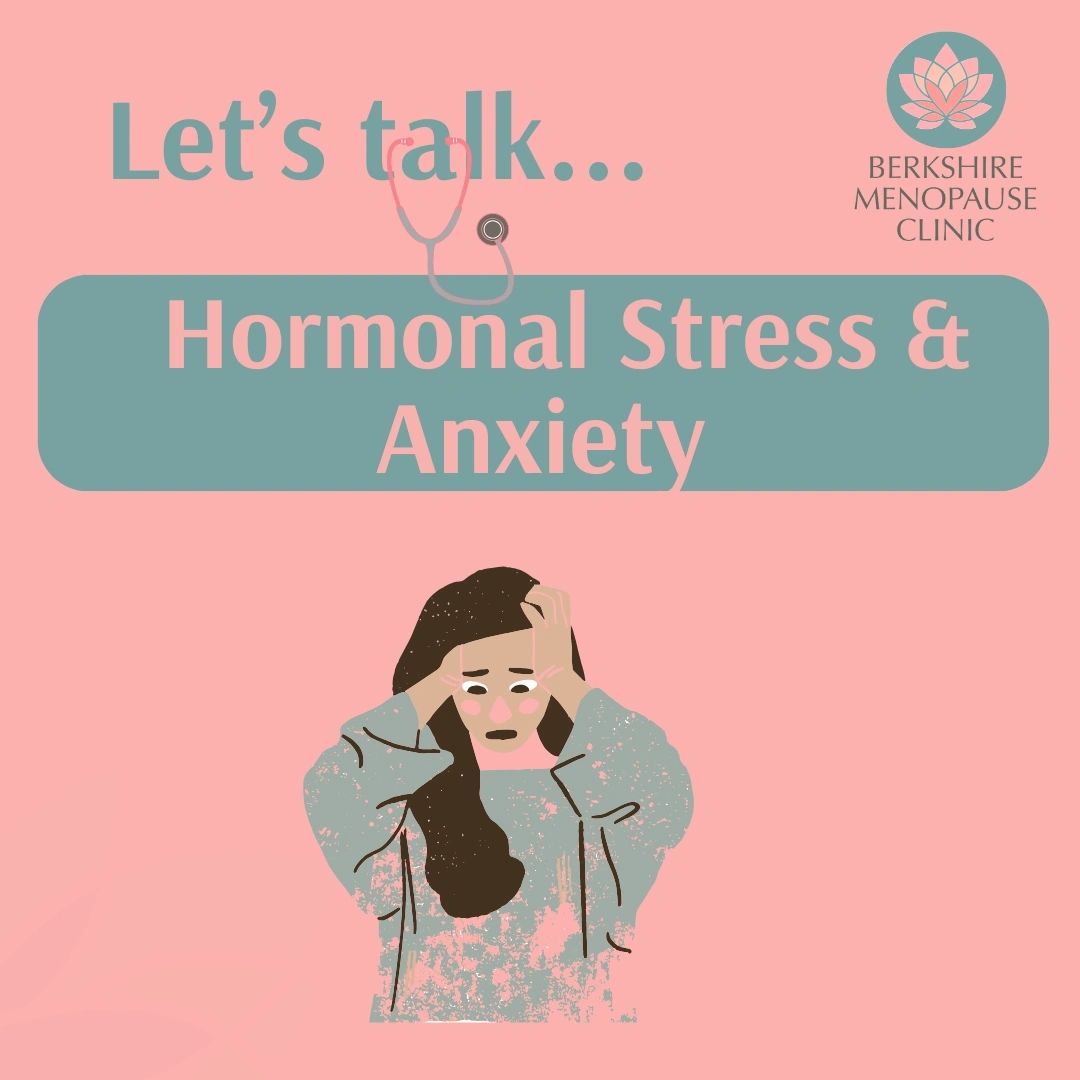
Menopause stress and anxiety
We all know the feeling- the Christmas decorations have come down, new years celebration are over, the weather’s bitterly cold, and many of us are left feeling sluggish and bloated from overindulging and burning the candle both ends throughout the festive period and beyond. The holiday excitement is nothing but a distant memory, no wonder many of us feel the ‘blues’.
Most of us will experience these normal feelings at some point- there’s the come down from all the excitement December and January had to offer; there may be family conflicts that ruined the high expectations you had for family gatherings; or you are just fed up with the dreary weather.
But for some, it can be serious. presenting as a form of depression, with signs of low mood, anxiety, fatigue, low energy, poor sleep, and anhedonia (lack of pleasure in activities that would normally give joy). You may find this time of year is a trigger due to bereavement, trauma or loneliness; you may already suffer from an existing mood condition or been diagnosed with SAD (a type of depression that happens during the dark months, thought to be caused by a chemical change in the brain in response to less daylight).
And let’s not forget hormonal conditions. I personally see firsthand a huge number of patents at this time of year suffering with worsening menopause and mood swings , hormonal anxiety and other physical and mental health symptoms especially in those with heightened sensitivity to hormonal fluctuations such as PMS, PMDD (Pre-Menstrual Dysphoric Disorder), (peri)menopause symptoms, menstrual disorders, and pregnancy.
Let’s not underestimate the impact these blues can have on your quality of life including thoughts of suicide, and long-term impact on personal and professional relationships.
There may not be a quick fix, but it’s important you feel supported. I’ve got some advice and information to help keep the worst of it at bay.
Lifestyle Tips for Menopause and PMDD Treatment
Stay engaged
Your natural instinct may be to hibernate and isolate from others. The longer we do this, the harder it becomes to break the habit. Take one step at a time, with very simple, everyday activities that you enjoy such as taking the dog for a walk or meeting a friend for a short coffee break.
Keep moving
Movement boosts metabolism, increases energy, improves gut motility and helps reduce sluggishness. Being active, also helps boost endorphin release, which has a positive effect on sleep, flushes, and mood.
You don’t have to commit to running a marathon, regular small bites of exercise are hugely beneficial, if that’s all you can manage.
Get as much sunlight as possible
This is particularly helpful if you are deficient in Vitamin D, as we gain most of our Vitamin D from sunlight, which can be tricky in the UK especially during winter months. If you suffer from SAD and struggle with exposure to sunlight, you may find an artificial light box can offer temporary relief. A more effective approach for long term benefit may be combining light therapy treatment with mood stabilisers and psychotherapy.
Invest in good nutrition
Try and follow a Mediterranean diet which including plenty of fruits, different coloured vegetables (the ‘rainbow plate’), whole grains, legumes (examples are beans, chickpeas, and lentils), nuts and seeds, olive oil (in place of other oils and fats), lean meats such as chicken, oily fish (salmon, mackerel sardines), and low-fat, live dairy (such as kaffir, live or Greek yoghurt). Incorporating this style of diet helps maximise the vitamins and minerals we get naturally. These foods are particularly rich in omega oils, calcium, magnesium, and antioxidants (to name a few) all of which help with muscle and joint aches, flushes, mood, and boosting our immune system. You may wish to consider supplements but knowing that most of our nutrients can be found in food, may help you navigate clever false advertising.
Vitamin D is the exception. Taking 1000units supplementation daily can help optimise levels. If you are vegan or vegetarian, then you can swap out meats, dairy and fish for other plant-based sources or supplements.
Eating little and often is better for our digestion and energy levels. Try to cut down on caffeine, processed, sugary, and alcohol-based foods and drinks, as these can leave us feeling sluggish, and worsen physical symptoms such as headaches, low mood, hot flushes, palpitations, poor sleep, and bladder and vaginal discomfort.
Relaxation techniques
Take some time for you- this may seem like a foreign concept if you are busy or a carer for others, but it’s essential to take care of your own health to maximise productivity and care for others effectively. There are some well-known techniques to help tackle anxiety and stress, such as deep breathing exercises, massage, meditation, and yoga. You may wish to seek psychotherapy such as Cognitive Behavioural therapy (CBT) or other variations.
It may not all be you cup of tea, find something that suits your personal lifestyle. The more you enjoy something, the more likely you are to invest time continuing it long term.
Relaxation also has huge benefits at improving other symptoms and health issues that you may be tackling such as palpitations, high blood pressure, poor digestion, muscle and joint aches, brain fog, poor sleep, and fatigue.
Try HRT for Mood
You know your body best. If you feel there could be an underlying hormonal condition, the chances are you are probably right. Feel prepared. It is better to seek help early and worrying conditions be ruled out, than waiting for symptoms to become so debilitating that the issue is too overwhelming to manage.
Your hormonal health is not a ‘one size fits all’, and treatments should be tailored to your individual needs. So, get the help that’s right for you.
Talk to someone
Of course, you may have already tried all of this, or you just feel you can’t manage your symptoms alone. If you feel your sadness is interfering with your daily living or you are struggling to cope, then reach out, help is available. The first approach may be your GP. The NHS website also has lots of resources and a list of local services https://www.nhs.uk/nhs-services/mental-health-services/. The ‘Samaritans’ is a free support service, available 24 hours a day (116 123).
My take home message
Take the time to care for yourself and invest in your health and well-being. If you feel you are suffering, seek help early so you feel armed with knowledge to get the right help in a timely manner.
I wish you all a happy and healthy year.
To book an appointment, follow link