What is Polycystic Ovary Syndrome (PCOS)?
PCOS is a condition that can affect your periods, fertility, cause symptoms such as acne, excess hair (but also baldness on the head), and increase risk of long-term health conditions. Support should be personalised to you and together improving any symptoms and long-term concerns for health you have.
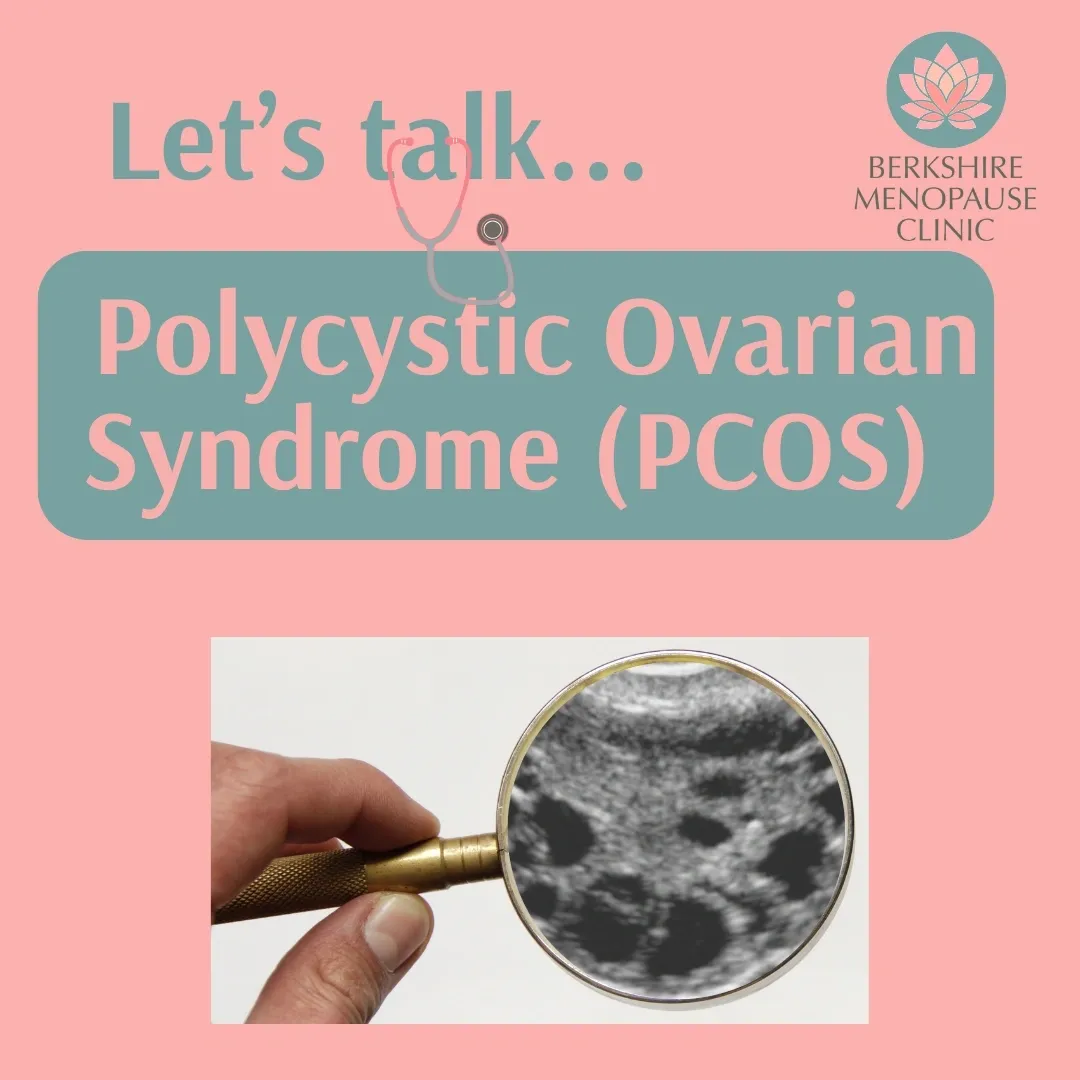
You may have been told you have polycystic ovaries on an ultrasound (slightly larger than normal ovaries with multiple follicles, the (fluid-filled spaces within the ovary that release the eggs). This does not necessarily mean that you have PCOS. PCOS is diagnosed with a combination of your symptoms, blood tests, your periods, and maybe ultrasound findings when looking at the entire picture.
Formal diagnosis is having 2 of the following:
· Irregular, infrequent periods or no periods
· Clinical features (including increased hair and acne, female pattern baldness) and/or blood tests that show higher testosterone levels than normal
· An ultrasound scan that shows polycystic ovaries.
What causes PCOS?
The cause of PCOS is not yet known. There may be a combination of genetics and environment.
Sometimes it sometimes runs in families, so if your mother, aunts, or sisters are affected, you may have a higher risk of developing it.
Symptoms and signs of Polycystic Ovary Syndrome
These vary from woman to woman. Some women have very few mild symptoms, while others are affected more severely. The symptoms you have are usually related to hormonal changes associated with PCOS. We know that those with PCOS often have insulin (insulin resistance). Insulin builds up in the blood stream, and in turn potentially causes disruption to hormones including increasing androgen levels (like testosterone). Both insulin and androgen changes lead to the symptoms and long-term health issues associated with PCOS. You may find your symptoms fluctuate.
Symptoms include irregular or no periods at all; an increase in facial or body hair (hirsutism); loss of hair on your head; being overweight or having difficulty losing weight; skin changes, in particular oily or acne; low libido; bloating; low mood and depression; sleep issues including snoring and apnoea; and difficulty getting pregnant. It is important to know even if diagnosed with PCOS does not mean you will have issues becoming pregnant and most women will get pregnant without any treatments or investigation. Equally, should you not want to get pregnant and have PCOS, you should seek advice for contraception.
What are the long-term consequences
Insulin resistance, diabetes, and heart disease
If you have PCOS, the cells in your body may not respond well to insulin (the hormone that helps move sugar from our blood into the cells). This is called insulin resistance. If you are resistant to insulin, cells do not absorb sugar from the blood stream and therefore the sugar builds up in the blood stream, leading to diabetes. Those who develop diabetes due to PCOS also tend to have difficulty losing weight, and high blood pressure which all ultimately can lead to an increased risk of heart disease so it’s important you get the right support.
Cancer
If you not having regular periods, the lining of the womb (endometrium) is not shedding and can become thickened (hyperplasia). Having fewer than three periods a year and chronically thickened lining can lead to a small increased risk of endometrial cancer. To prevent this happening, you can have hormones that either induce a regular ‘withdrawal bleed’, or continuously-use hormones to switch off ovulation (which would normally thicken the lining to prepare it for pregnancy). Although related to PCOS, having a higher BMI and type 2 diabetes are both also independent risk factors for endometrial hyperplasia and endometrial cancer.
PCOS does not increase your chance of breast or ovarian cancer but being overweight can increase risk of cancers such as breast cancer.
Depression and low mood
The symptoms of PCOS can lead to you feeling low or depressed. Also, the hormonal changes themselves can directly cause low mood symptoms. You may also find these symptoms are impacting on relationships, sex and the way you feel about your own body. If you feel this is you, then its important you get the support you need through your GP or specialist psychological services
Snoring and daytime drowsiness
PCOS can lead to conditions such as sleep apnoea. If you have symptoms of snoring in combination with waking unrefreshed from sleep, daytime sleepiness or fatigue then this could be sleep apnoea. Individually or collectively together, these symptoms can have huge negative impact on your quality of life. For some, not being alert at work can be a safety issue, for example if you are a lorry driver. If you are concerned you could be suffering with this. You can be referred for specialist help.
Difficulty getting pregnant
PCOS is a complex condition and the hormone changes that occur do have the potential to cause some women difficulty getting pregnant. However, the vast majority get pregnant without the need for any intervention. It can be a very worrying time and I would suggest speaking with a specialist early so you feel prepared, and give yourself the best chance.
Managing PCOS
There is no cure for PCOS, but how you manage PCOS should be personalised, aimed at controlling your particular symptoms. Ongoing support is essential as is associated with an increased risk of certain long-term conditions. Many women successfully manage symptoms and long-term health risks through lifestyle alone. Medications may additionally be needed and the risks and benefits discussed with you.
We know with PCOS and those with insulin resistance, weight loss can be tricky and there is no ‘quick-fix’ solution. Advice should be personalised and supportive. You may find the general advice below useful in addition to specific advice for your situation.
PCOS Treatments
General lifestyle advice
You may find symptoms improvement in lifestyle alone. If you have a high BMI, losing weight can help with regulating periods, reducing the risk of womb cancer, improving chances of pregnancy and help reduce symptoms and long-term health risks.
As part of regular health checks, you should have yearly blood pressure and weight, and cholesterol levels done. Diabetes blood test should be done every 1-3 years.
Cosmetic laser and creams
Creams, and cosmetic procedures can be used regularly for managing excess hair growth and regrowth. Even when using other treatments (explained below), direct hair removal should be continued to remove terminal hairs. Many sessions may be needed, and it is important to research and seek a qualified professional to carry out the procedure.
Combined oral contraceptive pill (COCP) these can be used for regulating periods, keeping the womb lining thin (to reduce the risk -of womb cancer), and for treating excess hair. It is important to discuss the different types and options as some pills hold a higher risk such as blood clots.
Anti-androgens
These can be used to reduce androgen side effects such as excess hair. They are usually not recommended first line but can be used instead of the combined contraceptive pill if this has not worked; if the combined pill is not recommended; or in combination with the combined pill if the pill alone does not produce enough response. It is important to note you will need contraception if sexually active and using this treatment. Spironolactone, a type of anti-androgen is well tolerated but its use with PCOS still has limited evidence. It is a potassium sparing drug and therefore should not be used/ used with caution in those with a history of high potassium.
Progestogen only preparations
Progestin only oral contraceptives may be considered for keeping the womb lining thin (to reduce the risk -of womb cancer). Preparations include pills, the hormonal coil (such as Mirena brand), and implants.
Metformin
Metformin helps improve insulin resistance and is licenced for use in diabetes. Many women with PCOS have insulin resistance and therefore may benefit from metformin. There is no evidence than metformin is better than lifestyle or weight loss at improving PCOS symptoms. However, it can be used off label (off licence) to improve insulin resistance. In those with a BMI < 25, it can be used but there is limited evidence.
In the absence of insulin resistance, there is limited evidence on its role for improving menstrual cycles and the clinical features of hyperandrogenism (acne, hair changes) but can be used instead of contraceptive pills if they are not recommended, not accepted, or not tolerated, For excess hair, other interventions may be needed (such as laser).
The combination of COCP and metformin could be considered. Evidence shows this regime may offer little additional benefit over using either of these medications alone. This regime is most beneficial in those with a BMI > 30 kg/m2; or at risk of diabetes or in certain high-risk ethnic groups.
The main side effects of metformin include feeling sick, vomiting, diarrhoea, abdominal pain and loss of appetite. These side effects are often self-limiting and can be minimised by spreading the doses over the day and taking the tablets with a meal.
If using long term, there may be a risk of low vitamin B12 levels especially if you are already at risk for low vitamin B12 (e.g. diabetes, post bariatric/metabolic surgery, pernicious anaemia, vegan diet) and so it may be advisable to get a B12 blood level.
Inositol (in any form) could be considered in women with PCOS based on its potential for improving insulin resistance and some limited clinical benefits including in ovulation, hirsutism and weight.
It is important to talk through the different options with your doctor as some treatments such as metformin have better evidence for their use. If you do buy Inositol, due to limited evidence, specific types or doses cannot be recommended. I would advise if you were exploring this, to do your research and buy from a reputable source.
Weight loss medications
Anti-obesity medications including GlP-1 agonists such as liraglutide (eg Saxenda), semaglutide (eg Wegovy), could be considered (off -licensed) with the right support, in addition to active lifestyle intervention, for the management of weight for PCOS. They are already used on the NHS to treat type 2 diabetes, and weight loss (in those with other long term medical conditions), but they also show promise in treating symptoms of PCOS due to helping with insulin resistance. They work in a number of ways: Improving insulin secretion and resistance to help blood sugars move into cells out of the blood stream; lowering levels of blood sugars by lowering the levels of the hormone glucagon (which tells the liver to send sugars into the blood; and slowing gastric emptying so food stays in the stomach longer leaving you feeling fuller for longer, therefore promoting weight loss and better digestion.
By helping with insulin resistance and weight loss, they also indirectly help with other issues associated with PCOS including regulating menstrual cycles, reducing chronic inflammation, and lowering the risk of cardiovascular disease and non-alcoholic fatty liver disease.
These medications are usually prescribed by specialist weight loss clinics. If you take these, you will need to discuss effective contraception due to the unknown safety risks on pregnancy. It’s important you understand the side effects and long-term weight management as their weight loss effect discontinues after stopping and we still lack the long-term safety data.
Orlistat is another weight loss medication that has been used in the UK
Diet and exercise- Some general healthy lifestyle practices can help PCOS symptoms, improve mental well-being, and provide long-term physical health benefits such as heart disease and diabetes.
Have low inflammatory diet and lifestyle including not smoking or drinking excessively (keeping to the recommended 14 units or less); reducing caffeine, sugar, salt, ultra processed food consumption; and following a balanced Mediterranean style diet; and regular exercise (150 to 300 minutes of moderate-intensity activities, or 75 to 150 minutes of vigorous-intensity aerobic activity per week combination of both spread throughout the week, plus muscle strengthening activities (e.g. resistance/flexibility) on two non-consecutive days per week) can help with weight loss, insulin resistance, improve menstrual periods, reduce bloating, and can help improve sleep and mood. Additionally, there is a wealth of long-term health benefits including reducing the risk of breast cancer, cardiovascular disease, osteoporosis, and improve muscle and joint strength. Prioritising sleep and relaxation techniques can improve mood, anxiety, and stress.
Vitamins and supplements.
Most nutrients can be found in foods. You may find it beneficial to take these in supplement form in addition to medical treatments for your specific symptoms.
Agnus Castus has proven benefits for mood symptoms.
Some women report magnesium citrate 300mg (or Glycinate, Threonate) supplements beneficial for symptoms such as poor sleep and mood.
B6 (max 50mg/day- doctor supervision) helps with mood
B12 has benefits on mood and energy
Ginseng has been shown to have anxiolytic properties.
You may find it helpful to look at our other leaflets ‘How To Safely Choose Supplements’
Support for Mood
Lifestyle modification such as exercise, good nutrition and specific therapies to tackle your symptoms (such as cosmetic and laser therapy for hair removal, acne) may indirectly help with mood.
Reducing stress has been found to help with mood symptoms. These include practices such as mindfulness, yoga, and meditations.
You may wish to consider psychological therapies and medication for low mood.
Cognitive Behavioural Therapy (CBT) is known to help mood symptoms. This involves discussing your symptoms with a CBT specialist who can help you learn new ways of managing some of your symptoms to reduce their impact on your daily life.
These symptoms can all be interlinked through both physical bodily reactions and emotional perception. Often it becomes a vicious circle’- the more stressed you are, the more you can experience symptoms. Conversely, the more intense your symptoms, the more stressed and anxious you can become. CBT works as a treatment model by helping us understand that how we think and feel about our physical symptoms can impact how we how we react and behave. By understanding our emotions, we can develop skills to react differently and change our future behaviour patterns. This in turn can decrease the intensity of bodily reactions (symptoms).
We discussed you may want to explore CBT to help improve your symptoms
Here is a resource to look for a registered psychologist in your local area:
https://portal.bps.org.uk/Psychologist-Search/Directory-of-Chartered-Psychologists
This is a resource to look for local counselling in your local area:
https://www.counselling-directory.org.uk/
Trying to get pregnant
Even with menstrual irregularity and symptoms, most women spontaneously get pregnant. It is therefore advisable, where possible, to continue to have regular intercourse 3-4 times a week, every week to maximise chances of conception. In addition, it is advisable to take prenatal vitamins supplementation including folic acid and ensure you optimise your wellbeing including good sleep and nutrition, reducing alcohol, not smoking. If you do have a high BMI, losing weight alone has good evidence for improving ovulatory cycles and fertility chances. It is also advised to lose wight when trying to get pregnant as a high BMI puts you and baby at higher risk in pregnancy.
If you need further support with medications, these come in a variety of forms from using metformin to specific ovulatory drugs and surgery, which you can discuss with your specialist.