
Cognitive Behavioural Therapy for Menopause Symptoms
CBT is a proven technique to improve many menopausal symptoms and in particular a known treatment for hot flushes, night sweats, sleep problems, mood, and stress. These symptoms can all be interlinked through both physical bodily reactions and emotional perception. Often it becomes a vicious circle’- the more stressed you are, the more you can […]
Exercise and Lifestyle Tips for Menopause
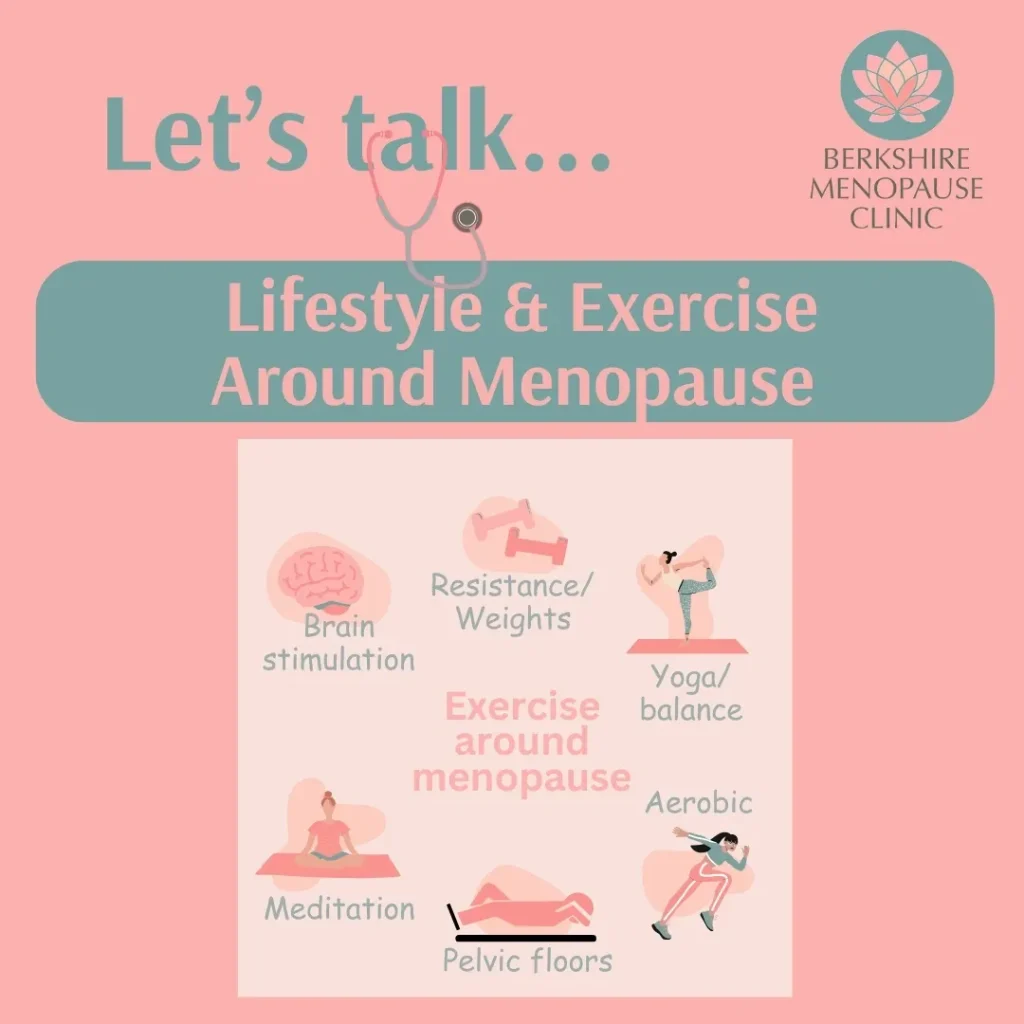
Exercise and Lifestyle Tips for MenopauseLifestyle (encompassing nutritional, exercise and social habits) plays a huge influence around the menopause. Making positive changes can help reduce symptoms, improve mental well-being, maintain healthy bone density, and reduce the risk of long-term conditions such as heart disease, stroke, diabetes and cancers. Additionally, many women notice weight gain and […]
Supplements for Menopause and other Hormonal Conditions
Supplements for Menopause and Other Hormonal Conditions As the name implies, these are products that aim to ‘supplement’ the diet with nutrients that may be missing. Examples include vitamins, minerals, amino acids, and enzymes.They are available in a variety of forms including capsules, tablets, powders, liquids, sprays, gummies. Herbal supplements are those made from plants, […]
Cervical Cancer Screening (Formally ‘Smear Tests’)
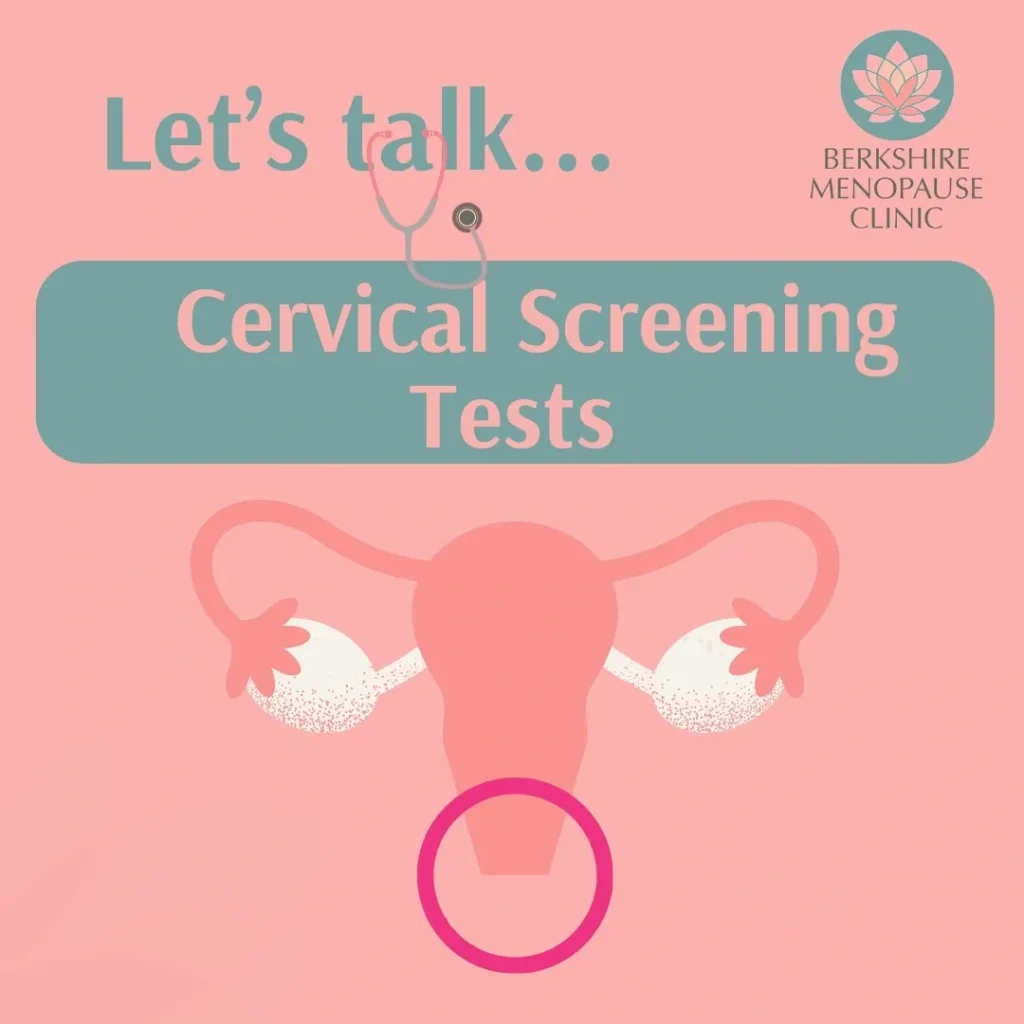
What is cervical cancer screening?The cervix is the neck of the womb with an opening into the vagina. Cervical screening (once called a smear test) is routinely used to check the health of a woman’s cervix. It is a simple procedure, where a soft brush is used to gently sweep cells from the cervix. It […]
Hormonal and Menopausal Sleep Problems (Insomnia)
Hormones, perimenopause, menopause and insomniaWhy does perimenopause and menopause affect sleep?With perimenopausal and menopausal sleep problems There is often a combination of hormonal changes (particularly declining oestrogen leading to shifts in other hormones such as melatonin and cortisol), physical changes, and personal life factors, which can all contribute to different sleep problems. Poor sleep itself […]
Genitourinary Symptoms of Menopause, GSM- (‘vaginal atrophy’)
What are bladder and vaginal symptoms?Oestrogen helps keep the vagina and surrounding tissues healthy. Any imbalance in hormones, such as during menopause, can disrupt the health of these structures, resulting in dryness; burning; itching; changes in discharge; painful intercourse, lack of sex drive; bladder or urethral irritation; incontinence; and weak pelvic floor muscle.Traditionally, the terms […]
Hormone Replacement Therapy (HRT)
What is HRT?During perimenopause and menopause, there is a decline in the hormones: oestrogen, progestogens, and testosterone. Hormone Replacement Therapy (HRT) refers to treatments used to replace these. Oestrogen HRTLow levels of oestrogen lead to symptoms such as hot flushes, night sweats, skin & hair changes, joint pains, brain fog, vaginal & bladder symptoms, to […]
Managing Perimenopause
What is perimenopauseThe time around (peri) and leading up to the menopause. The average age is usually mid-late 40s, but in fact can start years before a woman has her final period (and the time a formal diagnosis of menopause is made). During perimenopause, the hormones oestrogen, progestogens, and testosterone start to fluctuate. You may start […]
Menopause Treatments
What is menopause?Also known as ‘the change’ or ‘the climacteric’, menopause refers to the time a woman permanently stops having periods. The diagnosis is usually made retrospectively at the point a woman’s periods have stopped for 12 consecutive months. The average age of the menopause in the UK is 51 years. Perimenopause is the time […]
Treatments for Heavy Periods (menorrhagia)
Heavy periods or ‘Heavy menstrual bleed’ or ‘menorrhagia’The definition of heavy periods is to have heavy bleeding (around 80ml or more) during your monthly menstrual cycle (period). For many women, heavy periods are accompanied by pain (dysmenorrhoea). It is difficult to measure heavy bleeding and there are criteria for formal diagnosis.However, everyone is unique and […]