What are bladder and vaginal symptoms?
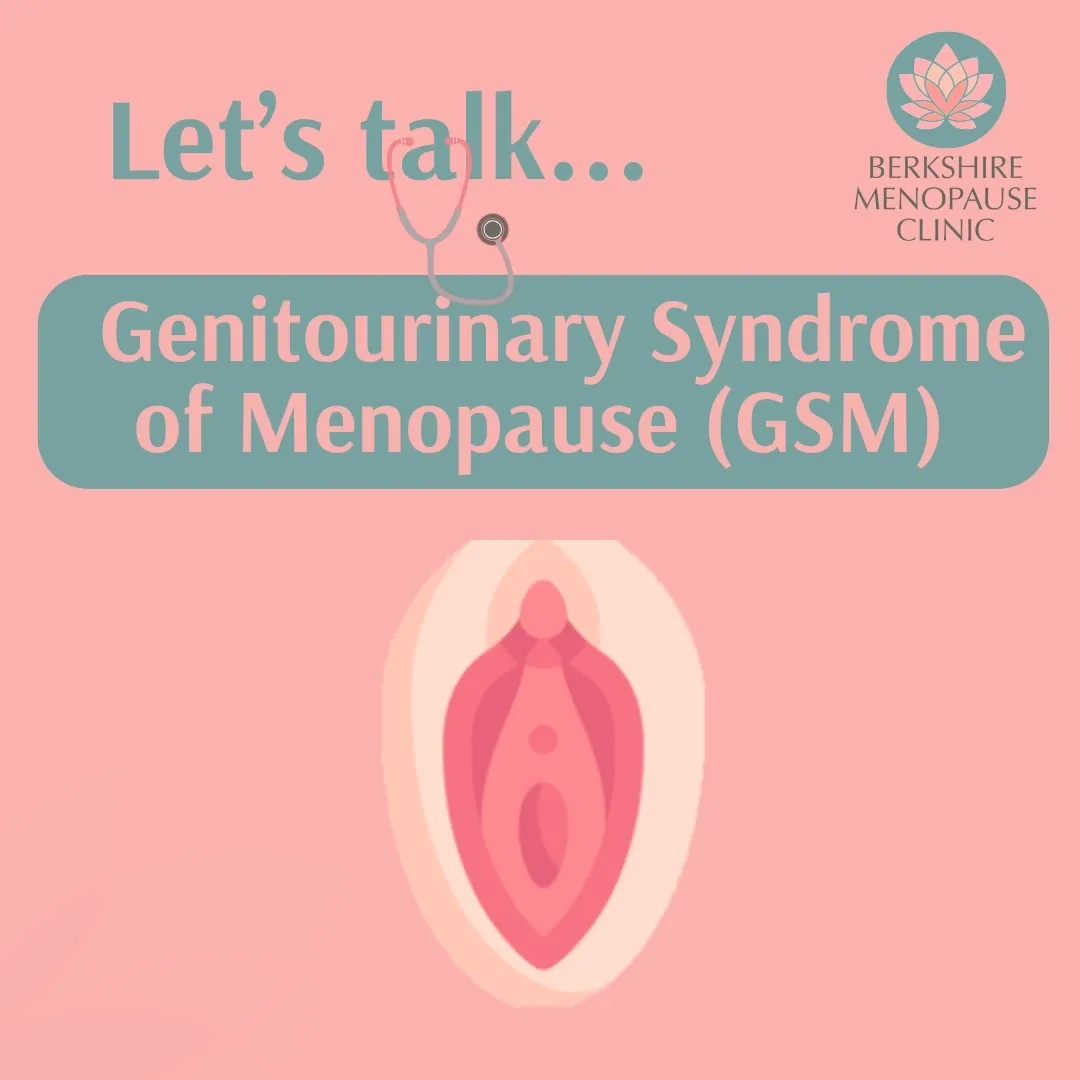
Oestrogen helps keep the vagina and surrounding tissues healthy. Any imbalance in hormones, such as during menopause, can disrupt the health of these structures, resulting in dryness; burning; itching; changes in discharge; painful intercourse, lack of sex drive; bladder or urethral irritation; incontinence; and weak pelvic floor muscle.
Traditionally, the terms ‘vaginal dryness’ or ‘vaginal atrophy’ have been described. These are misleading as they do not encompass symptoms affecting the urinary tract. More recently, the term ‘Genito-urinary Syndrome of the menopause (GSM) has been used.
Why is it important we address these bladder, vulval and vaginal symptoms ( Genitourinary symptoms of menopause) ?
Many of these menopause symptoms also overlap with other conditions such as thrush, bladder infections, and psychosexual disorders. This commonly results in misdiagnosis and treatment. If diagnosed early and correctly, these symptoms can be easily treated and reversed. We understand that many women find these topics embarrassing but they can have huge negative impact on mental health, relationships, and quality of life.
It is important you speak with a doctor if you develop any vaginal bleeding. Although this can be a sign of irritated genital skin (benefitting from vaginal treatments), it may also be a sign of bleeding from the womb. This can be serious and need investigation.
Looking after our vaginal health-What treatments are available for GSM or ‘vaginal atrophy’?
HRT
Women taking the right dose of HRT may see improvement in their vaginal symptoms.
Local ‘topical’ oestrogen
These are preparations (creams; gels; & pessaries) that are that are applied (and absorbed) directly to the vulva and vagina.
They all work in similar ways, and ultimately which ones you choose is down to personal preference (see table below ‘Comparison Of Different Vaginal Treatments’). Unlike systemic HRT, there is no need for progestogens to protect the womb lining when using vaginal oestrogens (even if using long term).
Vaginal moisturisers and Lubricants
Vaginal moisturisers are non-hormonal preparations that are applied to the vulva and vagina to hydrate the tissue. They are particularly helpful for dryness, which can present as itching, soreness, and burning. We encourage using these in addition to vaginal oestrogens and HRT. Some women need to use these every day, some find they only need them occasionally. You can safely adjust the dose yourself, as you need. Lubricants are used to provide relief from discomfort during sex. We would recommend you use brands aimed at sensitive skin. There are both water and oil-based lubricants. Both works well but if you are using condoms during sex, you must avoid oil-based lubricants as they can dissolve the latex.
Perineal massage
Lack of oestrogen results in less blood flow to the clitoris, and in turn reduced arousal and sexual desire. Through massage to the clitoral, this can increase blood flow and help with these symptoms.
Vaginal Dilators
Dilators, which are available on prescription, may also help with the pain experienced during sex and tampon insertion. When oestrogen levels fall, vaginal elasticity reduces, causing the walls to be less flexible and tight. By using incremental dilators over time, this may increase laxity the vaginal walls, making intercourse less difficult.
Lifestyle
You may find making some of the following changes helpful in alleviating some of your symptoms:
– Keeping well hydrated; good toilet hygiene; and emptying your bladder after sex may all help prevent urine infections.
– Limiting alcohol, caffeine, and sugar may help keep a healthy bladder/vaginal PH, preventing genito-urinary irritation.
– Using lubricated wet wipes after toileting; avoiding perfumed products and spermicidal lubricants, may alleviate dryness.
Newer treatments:
-DHEA (a hormone converted to oestrogen and testosterone) is a new option being trialled, with some studies, showing it may be particularly useful in those with previous breast cancer, where oestrogen treatments may not be safe.
-Selective oestrogen receptor antagonist/agonists work by selectively acting on receptors of the vagina (as an agonist) to increase oestrogen absorption and thus reduce vaginal irritation. They also are antagonists to the breast, making them potentially beneficial in breast cancer survivors. Studies have shown they do not increase the risk of womb thickening (or cancer), nor are they associated with an increased risk of blood clots. However, they are not currently licensed in the UK.
–C02 laser. Recently, laser treatment has been trialled to improve blood flow to the vagina. Although this is still relatively new, many studies have shown improvement in bladder incontinence, vaginal irritation, and libido.
When will I see improvement in my symptoms?
Most women see improvement within 3 months. If you continue to get symptoms, the first step may be to try another brand, or to try two preparations at a time (both in the vagina AND vulva). If despite this your symptoms continue, this may suggest there is another cause needing investigation. Your doctor may suggest a urine test or vaginal swabs, to exclude infection. It is important your smears are up to date. It is understandable that such examinations may be difficult due to pain/discomfort. Your GP or specialist can prescribe prior local oestrogen for a few months, as this may help ease symptoms.
Occasionally, using oestrogen treatments in the vulva and vagina area can change the PH of the vagina and cause thrush. You may feel symptoms gets worse (instead of better) when you start using oestrogen (because you may develop worsening itching, soreness or cottage-cheese like discharge). This can be normal, and you can use thrush treatment to help relieve these symptoms.
How long can I continue treatment for?
Vaginal oestrogens, moisturisers, and lubricants can be safely continued long term. In fact, for majority of women, symptoms return if treatment is stopped.
Vaginal symptoms and survivors of breast cancer
Women undergoing treatment for breast cancer may experience severe genital and urinary symptoms. In those with previous oestrogen-negative breast cancer, local vaginal oestrogen has been deemed suitable to use. However, those with previous oestrogen-positive breast cancer may have been advised to use non-hormonal treatment due to a theoretical risk that vaginal oestrogen may increase circulating oestrogen levels, triggering a recurrence or new cancer. More evidence is emerging that this risk is low, and for many breast cancer patients, the benefit of better quality of life outweighs the unproven risk. Furthermore, newer preparations such as Estring maybe a safer option, as they have NOT been shown to have persistent high oestrogen levels.
For support with any bladder, urethral, vulval or vaginal symptoms including Genitourinary Syndrome of Menopause contact our women’s health and menopause clinic for a virtual or in-person appointment