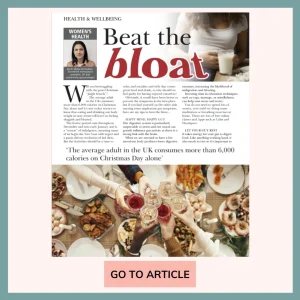
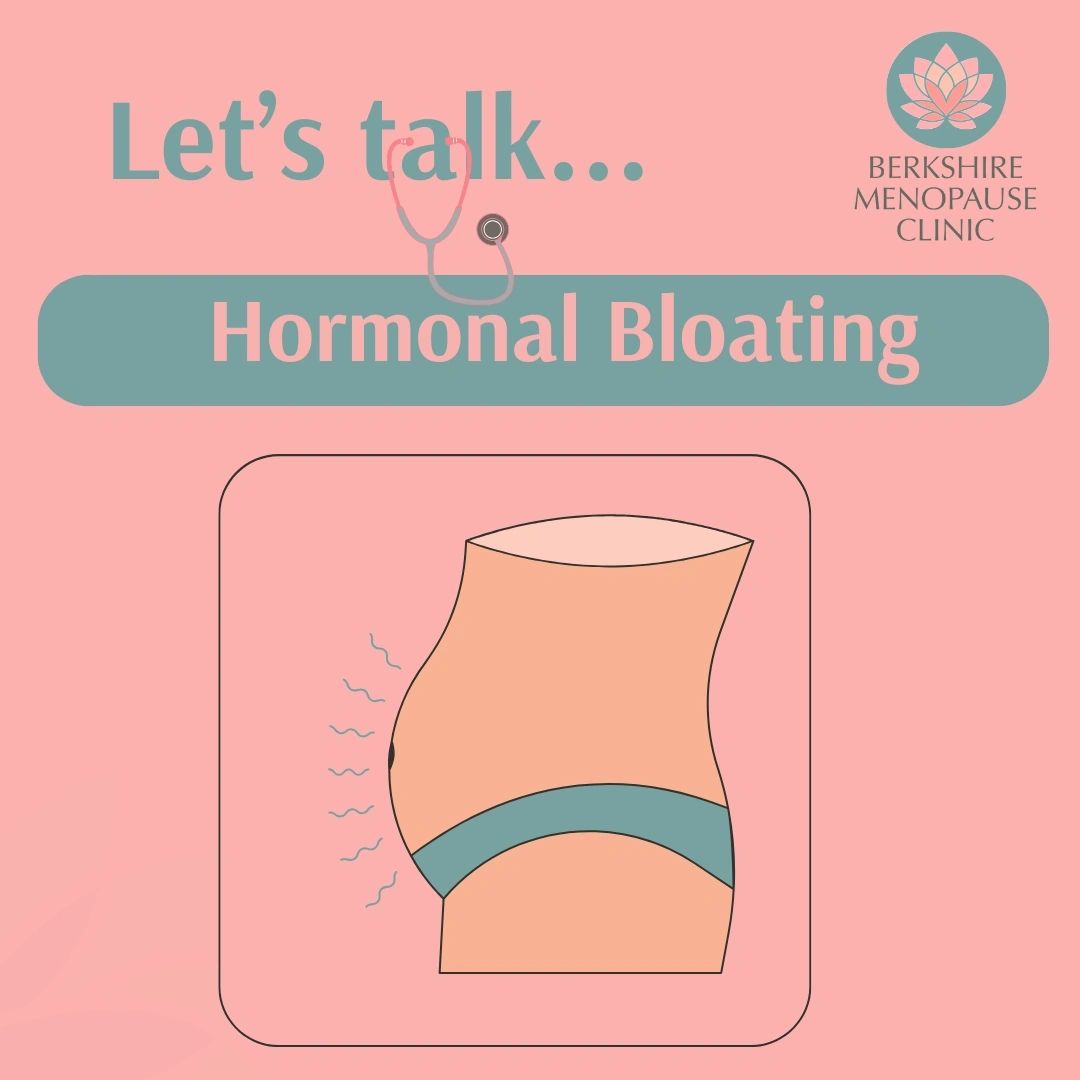
Hormonal bloating
This is just one of the common hormonal, menopause, and perimenopause symptoms seen.
If you find yourself nursing some unpleasant gut symptoms, here are my tips to ease the bloat….
Happy mind, happy gut
Our digestive system is particularly suspectable to stress, and mood can greatly influence gut activity as there is a strong link between our brain and our gut. When we are stressed or have low mood, our body produces fewer digestive enzymes, increasing the likelihood of indigestion and bloating. Investing time in relaxation techniques such as yoga, massage, or mindfulness, can help ease stress and worry. You do not need to spend lots of money, you could try doing some meditation or breathing exercises at home. There are lots of free online classes and Apps such as ‘CALM’, and ‘HEADSPACE’.
Let your gut rest
It takes energy for our gut to digest food. Like anything working hard, it also needs to rest so it’s important to allow time between meals. There’s mixed evidence on benefits of fasting but allowing maximum time for our gut to rest overnight can help; this includes not eating late at night before bedtime.
The type of foods we eat can make a huge difference. It takes more energy to digest certain food groups including red meat, high fat dairy, processed and sugary foods. This can lead to reduced motility and sluggish bowels, resulting in a whole host of issues such as bloating, constipation, lethargy, and sleep and mood issues.
These foods, along with drinks such as alcohol and caffeine can also cause gut inflammation and put a burden on the liver (which has a close relationship with the gut to remove toxins from the body). If our digestive tract is inflamed and full of toxins, we can suffer from water retention, not to mention long term health conditions such as liver disease.
Eating a regular balanced Mediterranean style diet will take the strain off your gut. Whilst drinking plenty of water will keep you well hydrated, flush out toxins, and help reduce constipation.
Ditch the fizz
Adding air and bubbles into the gut inevitably leads to feeling gassy and bloated. Fizzy drinks and certain foods, like cabbages, are particular triggers. Therefore, if this is a concern for you, dodging these gassy gastronomies will help reduce your symptoms.
Chew your food
It may sound obvious but chewing each bite slowly not only burns calories but helps create lots of saliva in the mouth, releasing digestive enzymes to break down food. If we eat large meals or gulp food quickly, the digestive system struggles to break all the food down, leading to bloating, indigestion, and reflux. If you are already prone to these, you may benefit from chewing foods that increase digestive enzymes, such as ginger and lemon. You could also try adding these to warm drinking water for similar benefits.
Try probiotics
Probiotics are strains of live microbes that live in the gut. Certain strains are especially good for our gut as they produce enzymes to break down hard to digest starches and sugars. They are found in fermented foods such as kimchi, sauerkraut, live yoghurt, and kefir. You can buy probiotic supplements, but you need the right amount and type of microbes, to feel the benefits, so do your research before investing. Prebiotics also play their part, helping the good bacteria to grow and stay alive. These are food in foods high in polyphenol such as broccoli, flax, berries, and onions.
Hug a hot water bottle
Warmth will relax your gut muscles, allowing any trapped gas to move through your intestines.
Get moving
It’s hard to be motivated to exercise when we feel sluggish but every little counts, even if it’s a gentle walk and not sitting for long periods. Moving and exercise encourages digestion. Abdominal massage can also help to ease digestive discomfort, as the pressure and downward motion will encourage gas release and help reduce constipation.
Remain vigilant
Bloating is a common symptom associated with the effects of indulgence. But if you have persistent or chronic bloating, especially coupled with other symptoms such as change in bowel habit, abnormal vaginal or rectal bleeding, or extreme unexpected changes to your weight, contact your doctor to rule out other causes.
Menopause treatments ?
Some women worry that there is a link between HRT and weight gain. HRT does not cause weight gain but HRT and bloating is common when you first start treatment.
Often non hormonal medications and lifestyle modification can help. In many cases, menopausal bloating is a common symptoms of perimenopause and menopause, and in fact helped by using HRT.
It may be useful keeping a diary to look at when your symptoms occurs and what the triggers are as well as any remedies that help
To book an appointment, contact our dedicated specialists: