Menopause, Hormones and Gut Health
August marks National Wellness Month—a timely reminder to pause and prioritise our own self-care. This month, I’m diving into one of the most talked-about topics in health right now: hormones and gut health.
Why Gut Health Matters More in Midlife
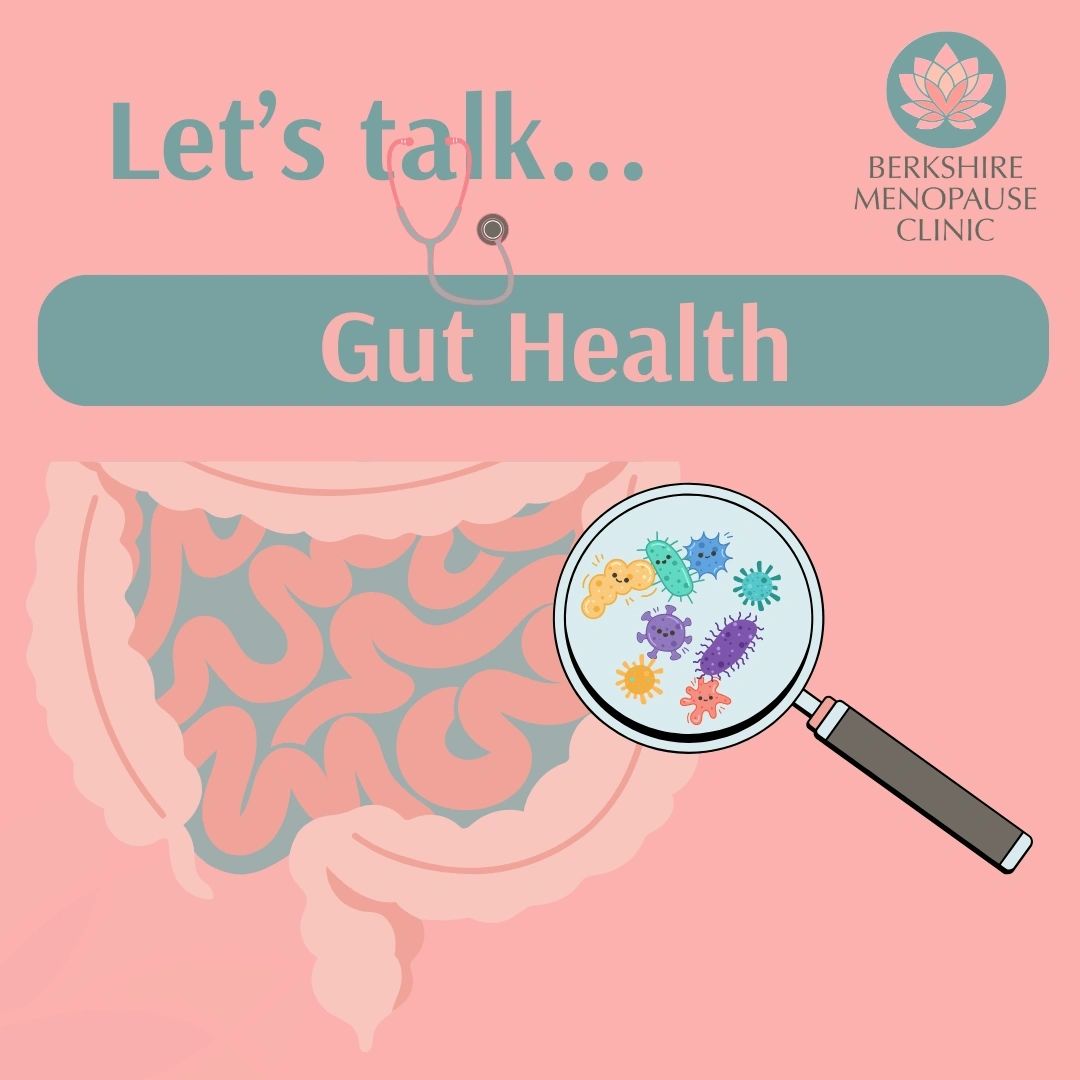
Our gut is home to a complex community of trillions of bacteria, fungi, and other microorganisms, known as the gut microbiota. It might not be something you think about every day, but this special ecosystem plays a huge role in almost every aspect of health—from digestion and mood to hormones and immunity.
Unfortunately, many things can throw this delicate balance out of sync, including poor diet, stress, and certain lifestyle habits. For women, keeping the gut healthy is essential at every life stage, especially for those living with chronic inflammatory conditions like endometriosis. But in midlife, during perimenopause and menopause, the connection between gut health and overall well-being becomes even more significant. That’s because hormonal shifts and changes in metabolism can have a real impact on how well our gut functions—and how good we feel.
Let’s explore why taking care of our gut is especially important in midlife.
Menopause, Hormones and Gut Health
Did you know gut bacteria help regulate our hormones? They even help break down and recycle oestrogen. When the gut is healthy and balanced, it can support steady oestrogen levels, which is especially helpful for women dealing with fluctuating or declining oestrogen levels for example in Pre Menstrual Syndrome, perimenopause and menopause. A healthy gut may help ease common symptoms like hot flushes, night sweats, mood swings, anxiety, weight gain, and brain fog.
But when the gut microbiome becomes imbalanced—a state known as dysbiosis—it can disrupt this hormonal harmony. Too much or too little active oestrogen can make symptoms worse and may also lead to digestive issues.
It’s a two-way street: falling oestrogen levels can upset the gut’s balance too, making it harder to regulate hormones effectively. This can create a frustrating cycle where hormonal shifts and gut imbalances keep feeding into each other.
Perimenopause and Digestion Issues – Weight, Bloating, and Digestion
Many women notice it’s harder to manage weight in midlife, especially when it comes to stubborn tummy fat. But its not just perimenopause, hormones and gut health issues can occur at any time for and even more challenging in those living with conditions like polycystic ovary syndrome (PCOS) or thyroid issues, which can already slow metabolism. When the gut bacteria are out of balance, it slows metabolism, increases insulin resistance, and makes it harder for the body to regulate blood sugar. This leads to more fat being stored, along with increased cravings and appetite.
But weight gain isn’t the only concern. Midlife hormonal changes and an imbalanced gut microbiota can also lead to uncomfortable bloating, sluggish digestion, and constipation.
The good news? By focusing on gut-friendly habits, you can feel lighter, more comfortable, and more energised.
Mood and Mental Clarity
There’s a powerful connection between our gut and brain, known as the gut-brain axis. This two-way communication system plays a big role in how we manage mood and mental clarity.
When the gut is out of balance, it can trigger inflammation and chemical changes that negatively affect emotional well-being. And it works both ways—chronic stress, anxiety, or low mood (common during PMS, PMDD, and midlife hormonal changes) can further upset the gut and reduce the diversity of healthy bacteria.
It can quickly turn into a vicious cycle: stress can lead to poorer food and lifestyle choices, which puts more strain on the gut, and the cycle continues. Nurturing your gut can be a powerful way to support your mood and break this pattern.
Immune Support
As we get older, the immune system naturally becomes less efficient. A healthy gut microbiota is key to keeping our immune defences strong, helping us fight off illness and reduce chronic inflammation.
This is especially important for those living with inflammatory conditions such as endometriosis and PCOS, and during midlife, when hormonal changes—particularly the drop in oestrogen—can increase the risk of issues like heart disease and osteoporosis.
Poor dietary choices can also fuel gut inflammation, raising the risk of bowel cancer, as well as insulin resistance, type 2 diabetes, and high blood pressure—all major risk factors for heart disease.
The bottom line? Nurturing your gut through mindful eating and supportive lifestyle habits can have a powerful, positive ripple effect on your overall health.
My Top Tips to Support Your Hormones and Gut Health
Eat for Your Microbiome
A gut-friendly diet is all about variety and balance. Prioritising fibre is a great place to start—it helps sweep away toxins, eases sluggish digestion, and feeds your good gut bacteria. Aim to include a colourful mix of leafy greens, beans, lentils, berries, nuts, seeds, and try swapping to wholegrain rice and pasta when you can.
Probiotics for gut health
Adding fermented foods like live yoghurt, kefir, sauerkraut, kimchi, and miso can also give your gut a healthy dose of beneficial probiotics and support a diverse microbiome. Go slow with these though—introducing them too quickly can cause temporary bloating as your gut adjusts.
Be mindful of heavily marketed probiotic drinks. Many of these are packed with added sugars, which can actually harm gut health rather than help it.
A Mediterranean-style diet is one of the best for your gut. Fill your plate with plenty of plant foods, oily fish, nuts, seeds, avocados, and olive oil. These foods provide gut-friendly fibre, healthy fats, and lean proteins. Try to limit processed foods, sugary snacks, and too much red meat, as these can encourage harmful bacteria and increase gut inflammation.
Including protein with every meal—whether it’s chicken, fish, legumes, quinoa, nuts, or seeds—can help stabilise your energy, keep cravings in check, and support steady blood sugar levels.
And don’t forget, eating a rainbow of fruits and vegetables not only supports your gut but also provides essential vitamins and minerals that can boost skin, hair, joint, and brain health. These foods also take less energy to digest and can help ease midlife symptoms like hot flushes.
Manage Stress
Chronic stress can upset the balance of your gut bacteria and make digestive symptoms worse. Finding time for mindful practices like yoga, meditation, deep breathing, or simply doing regular movement can help soothe your nervous system.
Move Your Body
Regular movement keeps things flowing through your digestive system, supports metabolism, and helps maintain a healthy balance of gut bacteria. Walking, strength training, and balance exercises are particularly beneficial in midlife—not just for your gut, but for protecting your bones and muscles too.
Stay Hydrated
Drinking enough water throughout the day supports digestion and helps maintain the protective lining of your intestines, essential for a healthy, well-functioning gut.
Consider Hormone Replacement Therapy (HRT)
We know that falling oestrogen levels fall disrupts the balance of the gut microbiota Hormone Replacement Therapy can help restore this balance.
Be mindful of antibiotics overuse
Antibiotics are incredibly important when we need them, but they don’t just kill off harmful bacteria—they can also wipe out the good bacteria that keep your gut healthy. This can lead to digestive upsets, lower immunity, and allow harmful bacteria to grow.
If you do need antibiotics, it’s a good idea to support your gut during and after treatment with both probiotic and fibre rich foods to help rebuild a healthy microbiome.
My Take-Home Message
Small, consistent steps towards a gut-friendly lifestyle can make a big difference. By taking care of your gut, you’re not just supporting better digestion—you’re also investing in your long-term health. If you’re navigating hormonal changes, it can be helpful to speak with a specialist for support—we’re here to help.
Book an appointment with our specialist who can support you with your hormonal health