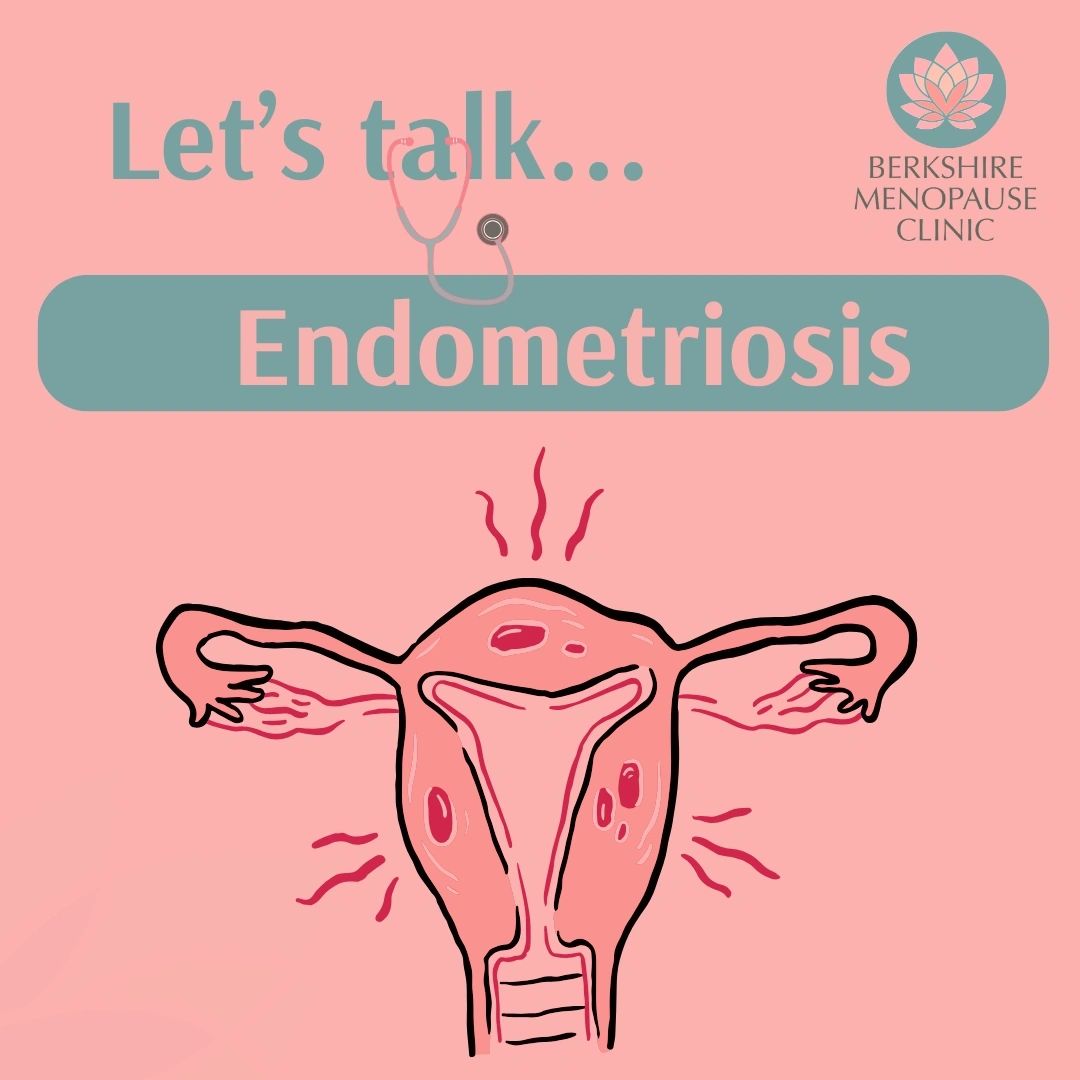
What is Endometriosis?
Endometriosis is a long-term condition where tissue similar to the lining of the womb (endometrium) grows outside the womb. It affects around 1 in 10 women and can have a significant impact on daily life.
The womb (uterus) has three layers:
· Endometrium: the inner lining that builds up and sheds during periods
· Myometrium: the muscular middle layer
· Perimetrium: the outer layer
In endometriosis, tissue grows in places such as:
· Womb muscle layers (adenomyosis)
· Fallopian tubes and ovaries, and can form cyst on the ovaries known as endometriomas or ‘chocolate cysts’
· Tissues around the bowel or bladder
· Peritoneum (the lining of the pelvis and abdomen)
· Rarely, surgical scars or even the lungs
Causes and Risk Factors
The exact cause of endometriosis is still unknown. However, several factors may play a role including:
· Retrograde menstruation: where menstrual blood flows backward into the pelvis.
· Chronic inflammation – encourages tissue growth.
· Immune system differences: may allow abnormal cell growth.
You may have higher risk if you have:
· A close relative with endometriosis (mother or sister affected)
· A Low body mass index (BMI)
· Blocked menstrual flow (for example having large fibroids or congenital blockages
· High lifetime oestrogen exposure (e.g., early periods, late menopause, never being pregnant, short cycles)
Symptoms
Symptoms of endometriosis can vary greatly — some women experience severe discomfort, while others may have no symptoms at all. Because endometriosis involves deposits of tissue similar to the womb lining, these areas respond to hormonal changes (particularly oestrogen) in the same way as the womb lining. As a result, symptoms often start or worsen during menstruation, when the womb lining sheds and bleeds. Typical symptoms include:
· Painful, heavy periods
· Bladder symptoms: pain, blood in urine
· Bowel symptoms: pain, cramping, blood in stool, rectal spasms
When endometrial deposits occur in other areas of the body, these tissues also bleed like the womb lining. However, unlike a period, this blood cannot leave the body. This can lead to ongoing inflammation and scar tissue (adhesions), which may cause:
· Chronic pelvic and abdominal pain (not only during periods)
· Pain radiating to legs
· Pain and bleeding during or after sex or vaginal examinations
· Chronic Fatigue
· Fertility problems (sometimes the first sign of endometriosis)
Because these symptoms can mimic other conditions, such as irritable bowel syndrome or bladder infections, diagnosis can be challenging.
Keeping a diary can help you and your doctor identify patterns and support investigating endometriosis and getting a timely diagnosis. It may help to record
· Your symptoms including timing, severity, and any triggers
· Details of bleeding patterns (clots, heaviness, duration
· Impact on your daily life
· What helps or worsens your discomfort
Treatment options for Managing Endometriosis
The main goals of treatment are to reduce inflammation, control pain and heavy bleeding, and support fertility when needed. Early diagnosis is important, as symptoms and the condition itself can worsen over time.
Because symptoms affect each person differently, treatment should be tailored to your individual needs and preferences, taking into account:
· How severe your symptoms are.
· How much endometriosis you have, and where it is
· Whether you are planning a pregnancy or if you need contraception
Treatments may include a combination of medical, hormonal, and surgical options. If endometriosis involves other organs such as the bowel or bladder, you may be referred to a specialist endometriosis centre.
Lifestyle and Holistic Approaches
Some lifestyle changes may help manage symptoms and reduce flare-ups, such as
· Following an anti-inflammatory diet – eating plenty of fresh fruits, vegetables, and whole foods, while limiting processed and fried foods, saturated fat and dairy.
· Regular exercise tailored to your energy and pain levels
· Maintaining a healthy weight
· Managing stress – techniques such as mindfulness, relaxation, or cognitive behavioural therapy (CBT) can help support both pain and the low mood and anxiety many women develop due to the chronic mental fatigue from their symptoms.
Medical Treatments
Non-hormonal medications
These medications are aimed at directly treating pain as well as reducing inflammation and range from over-the-counter options like paracetamol and ibuprofen to prescription medications such as Mefenamic acid and Tranexamic acid which can also with heavy bleeding.
Hormonal Treatments
These work by stopping ovulation and lowering oestrogen levels, helping to reduce tissue growth, inflammation, and pain. They may also make periods lighter or stop them temporarily and have a contraceptive effect so will not be suitable if you are trying to get pregnant.
Options include combined (oestrogen and progestogen) pills and patches; progestogen-only pills; implants and injections; and progestogen releasing intra-uterine coils such as Mirena.
GnRH Agonists & Antagonists
These are injection or tablets that send a signal from the brain to stop your ovaries from producing oestrogen and progesterone (in turn shrinking endometriosis tissue), causing a ‘medical’ menopause. For this reason, they are usually combined with Hormone Replacement Therapy (HRT) or Tibolone (a synthetic steroid with oestrogen, progesterone and androgen properties) to reduce menopause symptoms and prevent long term concerns of osteoporosis, heart disease and poor brain cognition, associated with declining oestrogen.
Surgery
Surgery may be offered depending on how severe your endometriosis is, whether other treatments have worked, and especially when fertility is a concern. It is important you get the opportunity to talk through with a specialist the different options and the risks and benefits of each.
If you have complex endometriosis, you may need a specialist team at an endometriosis centre.
Surgery can remove deposits, scar tissue and ovarian cysts. You may be offered a hysterectomy (removal of your womb) for heavy periods especially when other treatments have not worked. You may also be offered to have your ovaries removed, which causes a ‘surgical’ menopause, permanently switching your ovaries off You may need HRT to manage menopause symptoms and protect long-term health, especially if you go through an early or premature menopause.
HRT and Endometriosis
Can you use HRT?
After menopause, endometriosis symptoms often improve. However, many women—whether or not they have endometriosis—still need support to manage menopause symptoms. Many women choose HRT to manage menopause symptoms. As HRT contains oestrogen, this can potentially reactivate endometriosis and trigger symptoms. Therefore, choosing the right type of HRT is important.
Which HRT should you use?
Alongside your personal choice, the best HRT for you depends on several factors, including your age, whether you still have periods, the extent of your endometriosis, whether you have a womb, if you are wishing to get pregnant, and your medical history. In most cases, combined HRT (oestrogen and progestogen) is recommended to prevent any remaining endometrial tissue from becoming active again. Your doctor will help you choose the safest and most effective option.
There are some points to consider when choosing HRT:
· Some treatments for endometriosis, such as GnRH medications or surgery (hysterectomy or removal of ovaries), may trigger an early menopause. In these cases, HRT is often needed sooner and sometimes at higher doses to manage symptoms and protect long-term health (e.g. bone and heart health).
· An intrauterine coil can provide the progestogen part of HRT and is often effective for heavy, painful periods. However, it may not fully prevent flare-ups of endometriosis outside the womb, when using HRT.
· Even if you no longer have a womb, progestogen may still be necessary. This is because any remaining endometrial deposits outside the womb can respond to oestrogen (similarly to womb lining) and may increase the risk of abnormal growth.
· Where possible, continuous HRT (without breaks) is preferred, as it avoids oestrogen fluctuations which often trigger symptom flare-ups.
· There is no single preferred way of taking HRT for endometriosis –oral tablets, patches, gels, and sprays are all options. The choice depends on your personal preference and any underlying health conditions or risks.
In summary, when choosing HRT regimes:
· All women with a womb (even in those ovaries have been removed) should take combined HRT (oestrogen and progestogens) for the entire time they use HRT.
· All women who have had a hysterectomy (womb removed) BUT have extensive endometriosis (outside of the womb) should take combined HRT for the entire time they use HRT.
· All women who have had a hysterectomy BUT with only mild extensive endometriosis should consider taking combined HRT until at least the natural age of menopause. After this, oestrogen-only HRT can be considered if progestogens cause unresolvable side effects or increased health risks.
· All women who have had a hysterectomy AND where no endometriosis remains, can use oestrogen only HRT.
· All women who have had a hysterectomy AND where no endometriosis remains BUT the cervix has been left behind, should be offered a ‘progestogen challenge’ (3 months of progestogen tablets). If bleeding occurs after stopping, progestogens should be continued for the entire time they use HRT, as this is an indication there is still womb lining remaining.
· All women who have had both a hysterectomy AND ovaries removed – are unlikely to experience reactivation even with HRT use. However, combined HRT is usually recommended until the natural age of menopause due to limited data
What is Tibolone — Why is this sometimes prescribed instead of HRT:
Tibolone is a synthetic steroid with oestrogen, progestogen, and androgen properties. It reduces hot flushes and night sweats, and helps improve bone strength, mood, and libido. Although it remains a good option for some women, newer HRT options have better safety data. There are also concerns about its use in women over 60, an increased risk of clots, and conflicting evidence about breast cancer risk.
Does Testosterone affect endometriosis
Some women take testosterone alongside HRT to treat low libido. Because testosterone can be converted to oestrogen in the body, it should be used with the same precautions as oestrogen when prescribing for women with endometriosis.
If you are struggling with symptoms or suspect endometriosis, seek help early from a specialist. Early support can lead to a timely diagnosis and prevent symptoms from worsening.