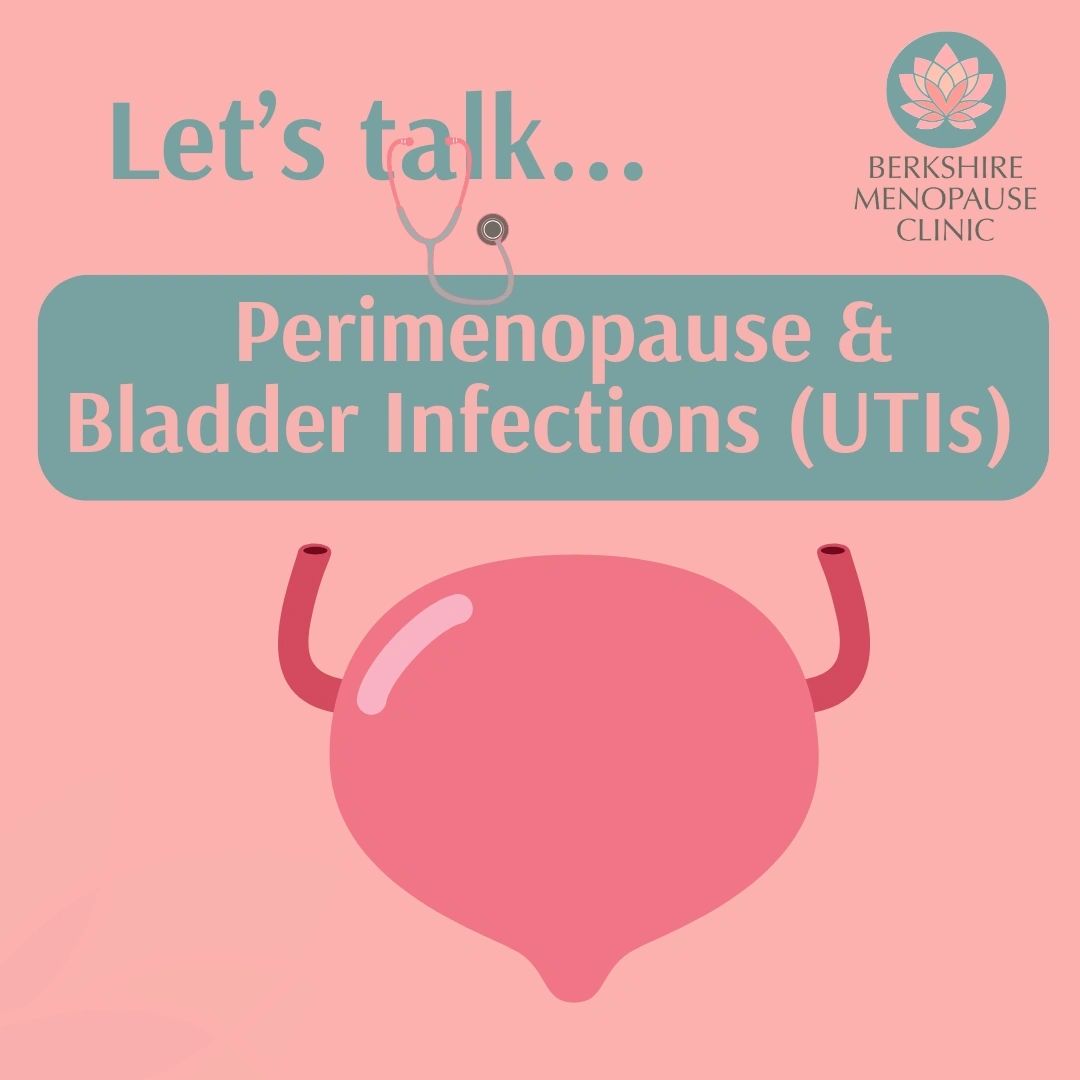
Bladder issues and Urinary tract infections (UTI’s) are the most common illnesses, with most women experiencing one at some point in their life. It is important to not confuse common with trivial as this condition can have a massive impact on quality of life.
Not everyone or every UTI is the same; with symptoms and episodes varying from person to person. There are a lucky few who will experience a pretty straightforward episode needing no treatment. But for most, there is that all too familiar set of feelings: burning sensation during and after peeing; frequently urination with no relief; feeling feverish; nausea; dizziness; abdominal or back pain; the list goes on. These episodes can be hugely debilitating and painful, requiring urgent symptom relief. Quite frankly, it is impossible to think about anything else during an episode.
Most of us are accustomed to taking a one-off short course of antibiotics to resolve the issue. But what if you suffer from frequent or prolonged episodes? For some, repeated or long-term courses are needed for effective relief. But with increasing awareness of complications such as antibiotic resistance and disruption to gut health, are antibiotics always the best and only answer for treatments of utis ?
I am here to shed some light on other treatments that may be right for you, targeted at providing long term improvement on quality of life.
Know your triggers
Anyone can get a urine infection. They are most common in women, because the urethra (the tube that carries urine from the bladder to outside) is short and therefore less distance for bacteria to travel into the bladder.
Reducing the introduction of harmful bacteria into the urinary tract can help.
· Drinking plenty of fluids to empty your bladder at regular interval can help flush away harmful bacteria which would otherwise travel into the bladder. Caffeine and alcohol both are diuretics and can worsen dehydration, and therefore advisable to have in moderation.
· When toileting, it is good practice to wipe urine away from the urinary tract. The urethra is in close proximity to the anus, where there are lots of bacteria present. Wiping from the anus towards the front and urethra can introduce these bacteria into the urinary tract.
· For some, sexual activity, including foreplay and the use of sex toys can increase the chance of bacterial transfer to the urinary tract, which is why urinating immediately after sex to flush away bacteria is good practice.
· A common myth is vaginal washing reduces the chance of infections. But in fact, the vagina is self-cleansing and excessively washing or using soap products disrupts the carefully balanced acidic vaginal PH which is needed to ward off harmful germs. The urinary tract is in very close proximity to the vagina so if the vagina has lots of ‘bad’ bacteria, these can also travel to the urinary tract, increasing the chance of UTIs.
Avoid Irritants
· Common triggers include non-breathable tight underwear and pantyliners. Be aware of feminine hygiene products, and vaginal moisturisers and lubricants as many of these contain artificial ingredients that can disrupt the genitourinary PH.
· Many people are not aware that sugary foods and drinks can be huge triggers for UTIs, as they are a favourable food source for bacteria. When we consume high quantities of sugars, these pass into the bladder where they get broken down and provide an inviting environment for bacteria to live and multiply, resulting in increased risk of infections.
· Although we want the vaginal PH to remain acidic to hoard off harmful bacteria, acidity in the bladder caused by some foods and drinks can worsen the ‘burning feeling’ many people experience with UTIs. Such include fizzy drinks, caffeine, alcohol, spice, and citrus. Some people find symptoms relief from taking products such as cranberry juice and Effercitrate which work by making the urine less acidic.
Improve stress levels
· When we are stressed, we release stress hormones and inflammation markers, to tell the body we are under threat and to attack, as a protection mechanism. If there is no external threat, the body attacks itself, including the urinary tract lining. If this lining is weakened, it is easy for bacteria enter. Repetitive stress leads to chronic bladder inflammation (cystitis). Having a healthy diet, plenty of sleep, and good mental health can all help reduce chronic UTIs.
Address your hormones
Did you know perimenopause and bladder infections are really common ? – For some, this is as early as 30s or 40s.
This is due to a fluctuation and eventual decline in oestrogen, the presence of which is needed to maintain healthy urinary and genital tract tissues, to provide barrier to infections. Oestrogen also maintain the ‘good’ bacteria (such as Lactobacilli) that live in the vagina. These help fight away infection-causing bacteria, and also maintain an acidic PH environment in the vagina which ‘bad’ bacteria do not like.
The effect of losing oestrogen therefore can result in vaginal and urinary infections, and other symptoms including incontinence, trouble emptying your bladder, urgency, a dragging sensation, vulval and vaginal itching, pain during sex, and decreased arousal and orgasm. These all encompass a condition called Genitourinary Syndrome of the Menopause (GSM).
In fact, anyone with declining oestrogen can experience these symptoms including those sensitive to menstrual cycle hormone fluctuations, those breastfeeding, and those taking certain medications or cancer treatments. It is not widely known that younger patients can suffer with genitourinary syndrome, and this means there is a large group that get overlooked and are suffering.
Having an understanding about this phenomenon can help find treatment solutions that may not have yet been explored.
Oestrogen may be the missing solution
· The association between menopause and urine infections is often missed. Many women report huge benefit from using contraceptives or Hormone Replacement Therapy continuously, to reduce fluctuating hormone levels, which maybe triggering symptoms. You may find it helpful to track when symptoms occur, to identify if they are cyclical. Topical oestrogen preparations that are directly applied to the vulva, vagina and urethra, are a highly effective way of increasing oestrogen into these areas quickly, reducing GSM and UTI symptoms.
Try probiotics
· These are foods and drinks that contain strains of the live ‘good bacteria’ Lactobacilli, present in the vagina. They are found in fermented foods such as live yoghurts, kaffir, kimchi, sauerkraut, and can be bought in supplement form. If you choose supplements, my advice is do your research, as effectiveness is not only based on presence of Lactobacillus but also having huge quantities, and specific strains.
Be referred for specialist treatments
It may seem you have exhausted all options. Don’t give up yet. There are more prescribable specialist treatments for those with chronic symptoms. You can find out more by speaking with a specialist.
My take home message
Antibiotics are a fantastic treatment for acute infections. But with rising rates of antibiotic resistance and implications on gut health, often a mix of lifestyle and other medical treatments may be needed to manage your symptoms. It can also be tempting to self-medicate but there are many causes that present similarly to UTIs (including more worrying ones), and it is important to know the underlying root cause for your safety. With the right specialist support, you can find the solutions that will work best for you.
Book an appointment for personalised support with our women’s health and gynaecology specialist