Perimenopause and Menopause UTIS
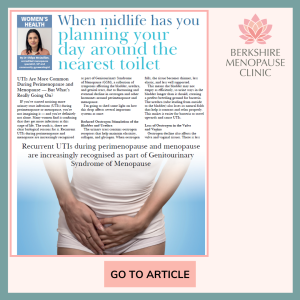
UTIs Are More Common During Perimenopause and Menopause — But What’s Really Going On?
If you’ve started noticing more urinary tract infections (UTIs) during perimenopause or menopause, you’re not imagining it — and you’re definitely not alone. Many women find it confusing that they get more infections at this stage of life. The truth is, there are clear biological reasons for it.
Perimenopause and menopause UTIs are increasingly recognised as part of Genitourinary Syndrome of Menopause (GSM), a collection of symptoms affecting the bladder, urethra, and genital tract, due to fluctuating and eventual decline in oestrogen and other hormones around perimenopause and menopause.
I’m going to shed some light on how this drop affects several important systems at once:
Reduced Oestrogen Stimulation of the Bladder and Urethra
The urinary tract contains oestrogen receptors that help maintain elasticity, collagen, and glycogen. When oestrogen falls, the tissue becomes thinner, less elastic, and less well supported.
This means the bladder may not empty as efficiently, so urine stays in the bladder longer than it should, creating a perfect breeding ground for bacteria. The urethra (tube leading from outside to the bladder) also loses its natural folds that help it contract and relax properly. This makes it easier for bacteria to travel upwards and cause UTIs.
Loss of Oestrogen in the Vulva and Vagina
Oestrogen decline also affects the vulva and vaginal tissues. There is less elastin, collagen, and hyaluronic acid (a substance that maintains moisture). This makes the tissues thinner, drier, and more fragile, and easier for bacteria to enter. Because the vulva and vagina are close to the urinary tract, these changes increase the likelihood of bacteria travelling from the vagina to the bladder, further increasing the likeliness of recurrent urine infections.
Reduced good bacteria
Glycogen acts as the “food source” for good bacteria (mainly Lactobacilli) in both the vagina and urinary tract. When oestrogen levels fall, glycogen production drops, leading to less Lactobacilli and a rise in vaginal pH. Normally, low pH helps maintain Lactobacilli, and vice-versa, Lactobacilli keep the vaginal pH low . This is a protective cycle that wards off harmful bacteria. When this balance is disrupted, bad bacteria can thrive and multiply, increasing the risk of both vaginal infections and recurrent UTIs.
The Gut–Vagina–Bladder Connection During Perimenopause
You may have heard of the gut microbiota and probiotics (which support your good gut bacteria). It is less commonly known that your vaginal and urinary tract microbiota are just as important. Both are deeply connected and influenced by what you eat, drink, and how your body is changing during perimenopause.
For example, diet choices play an important role. Perimenopause can leave you feeling tired, flat, or lacking motivation, and it’s easy to turn to quick or comforting foods and drinks that are higher in sugar or processed foods. But these can shift vaginal and urinary pH, reducing those helpful Lactobacilli and allowing more “bad” bacteria to grow, which can increase the risk of UTIs.
Alcohol and caffeine also play a big role. You might find yourself drinking more caffeine to combat perimenopausal insomnia or reaching for a glass of wine to unwind. Both are diuretics, which make you urinate more often, and they can irritate the bladder lining, causing inflammation and worsening any urinary symptoms.
Weight changes are also common during this time. Declining oestrogen reduces muscle mass, which helps us burn calories. Increased abdominal fat can affect metabolism and insulin resistance (how we process sugar) leading to tissue inflammation, and changes to both the gut and vaginal pH. This disrupts the balance of healthy bacteria and making thrush and urinary infections more likely.
What You Can Do to Support Yourself
Spotting the Hormonal Pattern
You might notice that your UTI symptoms come and go with your cycle or flare up around certain hormonal shifts. Tracking when your symptoms appear can help identify a cyclical pattern, giving your doctor valuable clues about what’s really happening. Some women find that using continuous contraceptive pills or Hormone Replacement Therapy (HRT) helps stabilise hormone levels and reduce those ups and downs that can trigger urinary or vaginal symptoms.
Supporting Your Microbiome
Staying hydrated, prioritising fibre-rich foods, limiting processed sugars and irritants, and including fermented foods (like kefir, live yoghurt, kimchi, and sauerkraut) can all help restore a healthier microbiota and support urinary and vaginal health.
Probiotics are another key tool, particularly those containing Lactobacillus strains, which can help maintain a healthy microbiota and reduce the risk of infections. Evidence suggests that taking targeted, evidence-based probiotic supplements, containing the right strains and in sufficient quantities, can support both vaginal and urinary tract health, complementing the benefits of a balanced diet. However, be mindful of marketing claims, not all probiotics are created equal. Their effectiveness depends on clinically proven strains, appropriate dosing, and formulations that avoid unnecessary fillers or bulking ingredients.
Use Topical Urogenital Oestrogen
For many women, topical oestrogen therapy in the form of creams, pessaries, or vaginal tablets, can be a game-changer for perimenopause and menopause UTIS. Applied directly to the vulva, vagina, and urethra, it helps restore local oestrogen levels, rebuild tissue strength, support Lactobacilli growth, maintain a healthy vaginal pH, and relieve common bladder symptoms such as poor emptying, frequent urges, and recurrent UTIs.
When to Seek Specialist Help
If you’ve tried lifestyle adjustments, microbiome support, and hormonal strategies but are still experiencing recurrent infections, don’t give up. Long-term improvement is often seen with a combination of lifestyle changes, hormonal support, and targeted medical treatments.
It’s also important to avoid self-diagnosing or self-medicating. Many other conditions can mimic UTI symptoms, and getting the right diagnosis ensures you receive the safest and most effective care. A specialist can help identify what is driving your symptoms, and tailor a plan specifically for you. Remember, you don’t have to navigate this alone — we are here to help.
For more support with endometriosis, check out our resources page
Download here