PMDD and PMS —
The Monthly Rollercoaster
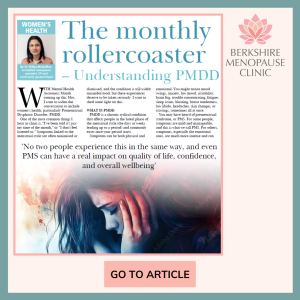
With Mental Health Awareness Month coming up this May, I want to widen the conversation to include women’s health, particularly Premenstrual Dysphoric Disorder, PMDD.
One of the most common things I hear in clinic is, “I’ve been told it’s just my time of the month,” or “I don’t feel listened to.”
Symptoms linked to the menstrual cycle are often minimised or dismissed, and the condition is still widely misunderstood, but these experiences deserve to be taken seriously. I want to shed some light on this.
What is PMDD
PMDD is a chronic cyclical condition that affects people in the luteal phase of the menstrual cycle (the days or weeks leading up to a period) and commonly eases once your period starts.
Symptoms can be both physical and emotional. You might notice mood swings, anxiety, low mood, irritability, brain fog, trouble concentrating, fatigue, sleep issues, bloating, breast tenderness, low libido, headaches, skin changes, or cravings, sometimes all at once.
You may have heard of premenstrual syndrome, or PMS. For some people, symptoms are mild and manageable, and this is what we call PMS. For others, symptoms, especially the emotional ones, are much more intense and can really interfere with daily life, work, and relationships. That’s what we call PMDD.
Rather than thinking of PMS and PMDD as completely separate, I find it more helpful to see them as part of a spectrum of sensitivity to hormonal changes. No two people experience this in the same way, and even PMS can have a real impact on quality of life, confidence, and overall wellbeing.
It’s also worth remembering that although these symptoms are cyclical, they’re not always just “one difficult week.” Cycles vary in length and some people experience symptoms for two or even three weeks at a time, leaving only a few “good” days in between. For many, this isn’t a minor inconvenience; it can feel all-consuming.
PMS, PMDD and Perimenopause — The Overlap
Hormonal patterns change over time. During perimenopause, the transition leading up to menopause, often beginning in the 30s and 40s, fluctuating hormone levels can make PMS and PMDD symptoms stronger or more noticeable.
Because symptoms such as anxiety, low mood, poor sleep, and brain fog can happen in both PMDD and perimenopause, it can be tricky to know what’s going on. To add to the confusion, sometimes PMDD-like symptoms appear for the first time around the age you might expect perimenopause to start. Understanding this overlap is really important for getting the right support.
Understanding Your Pattern
There isn’t a single test for PMS or PMDD. Figuring it out comes from noticing your own pattern over time. Keeping a simple daily diary can be really helpful. Jot down your symptoms, your cycle, sleep, food, caffeine and alcohol intake, and any work or life stresses.
Over time, patterns usually start to emerge, making it easier for both you and your clinician to understand what’s happening and how to manage it.
A Personalised Approach to Treatments
There is no one-size-fits-all treatment. The right approach depends on your symptoms, your cycle, your life stage, and what matters most to you.
Lifestyle and Nutrition
Small daily habits can make a real difference. Eating a balanced diet rich in fibre, fruit, vegetables, whole grains, and healthy fats can help with digestion, reduce bloating, keep energy steady, and support your mood. Drinking plenty of water also supports digestion and healthy skin.
Limiting caffeine and alcohol can help too. Too much caffeine can affect sleep and increase bloating, while alcohol can act as a depressant and cause water retention. Cutting back on sugar and highly processed foods can prevent energy crashes and low mood, although it’s normal to crave comfort foods during tough weeks, so it’s about balance, not restriction.
Regular exercise, even 30 minutes of moderate activity most days, can lift your mood, reduce stress, and improve sleep.
Learning to work with your cycle rather than against it can be transformative. For example: If you know you struggle during certain weeks each month, plan gentler exercise instead of intense workouts and choose nourishing, easy meals.
Above all, be kind to yourself. Allow yourself rest when you need it and make the most of the days when you feel strong and energised.
Vitamins and Supplements
You might find it helpful to take some supplements alongside your lifestyle changes. Getting enough vitamin D is important for your bones and can even ease migraines for some people. Chasteberry, also called Agnus Castus, may help with mood swings, headaches and breast pain and magnesium can support sleep, ease cramps, and calm restless legs. Some women find that star flower oil helps with breast tenderness, while omega-3s are great for joints, brain function, and overall wellbeing. Vitamins B6 and B12 can give your mood and energy a boost, and ginseng can help you feel calmer and less stressed.
Supplements aren’t a magic fix, and while the evidence for some is limited or mixed, many people do find they help support mood and wellbeing alongside other treatments. It’s always a good idea to check the dose and speak with a specialist if you need guidance.
Support and Therapy
Cognitive Behavioural Therapy (CBT) can be effective for PMS or PMDD. It helps you understand how your thoughts and emotions interact with physical symptoms and gives practical tools to reduce their impact. Talking to a registered psychologist or counsellor can also help, especially if stress or anxiety is making symptoms worse.
Medications and Hormonal Options
Some people benefit from antidepressants, which can help with mood swings, irritability, and anxiety. You might take them just in the couple of weeks before your period or all month.
Hormonal options can help smooth out the ups and downs of your cycle. This includes the pill, hormonal coils, injections, and hormone replacement therapy (HRT) such as patches, gels, and sprays, which all work by keeping your hormone levels steady. These can help with mood swings, anxiety, bloating, headaches, breast tenderness, and other symptoms. Some treatments, like the Mirena coil or certain pills, also provide contraception.
For severe symptoms, there are medications that temporarily “switch off” your ovaries, giving your body a break from the monthly hormone rollercoaster.
Surgery is sometimes an option, but because it’s more permanent and can affect fertility, especially if your family isn’t complete or you might change your mind, we usually recommend trying other treatments first.
Whatever treatments you decide on, it’s important that you feel comfortable with the options and that everything is clearly explained to you.
My Take-Home Message
Whether you identify more with PMS, PMDD, or something in between, your experience is valid. Seek help early and keep a diary. This helps you feel prepared and makes it easier to understand patterns. Know your treatment options, and whatever you choose, make sure you feel comfortable and fully informed.
Most importantly, be kind to yourself and remember you are not alone. This isn’t about pushing through or “just getting on with it.” If your body is asking for help, listen and get the support you deserve – we are here to help.
For more support with endometriosis, check out our resources page
Download here