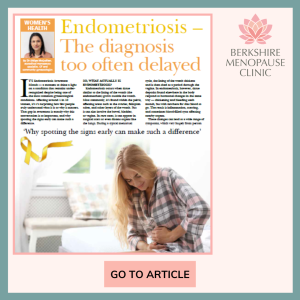
Endometriosis: Why Diagnosis Is Too Often Delayed
It’s Endometriosis Awareness Month — a moment to shine a light on a condition that remains under-recognised despite being one of the most common gynaecological conditions. Affecting around 1 in 10 women, it’s t’s surprising how few people truly understand what it is or why it matters.. That gap in awareness is exactly why this conversation is so important, and why spotting the signs early can make such a difference.
What Is Endometriosis?
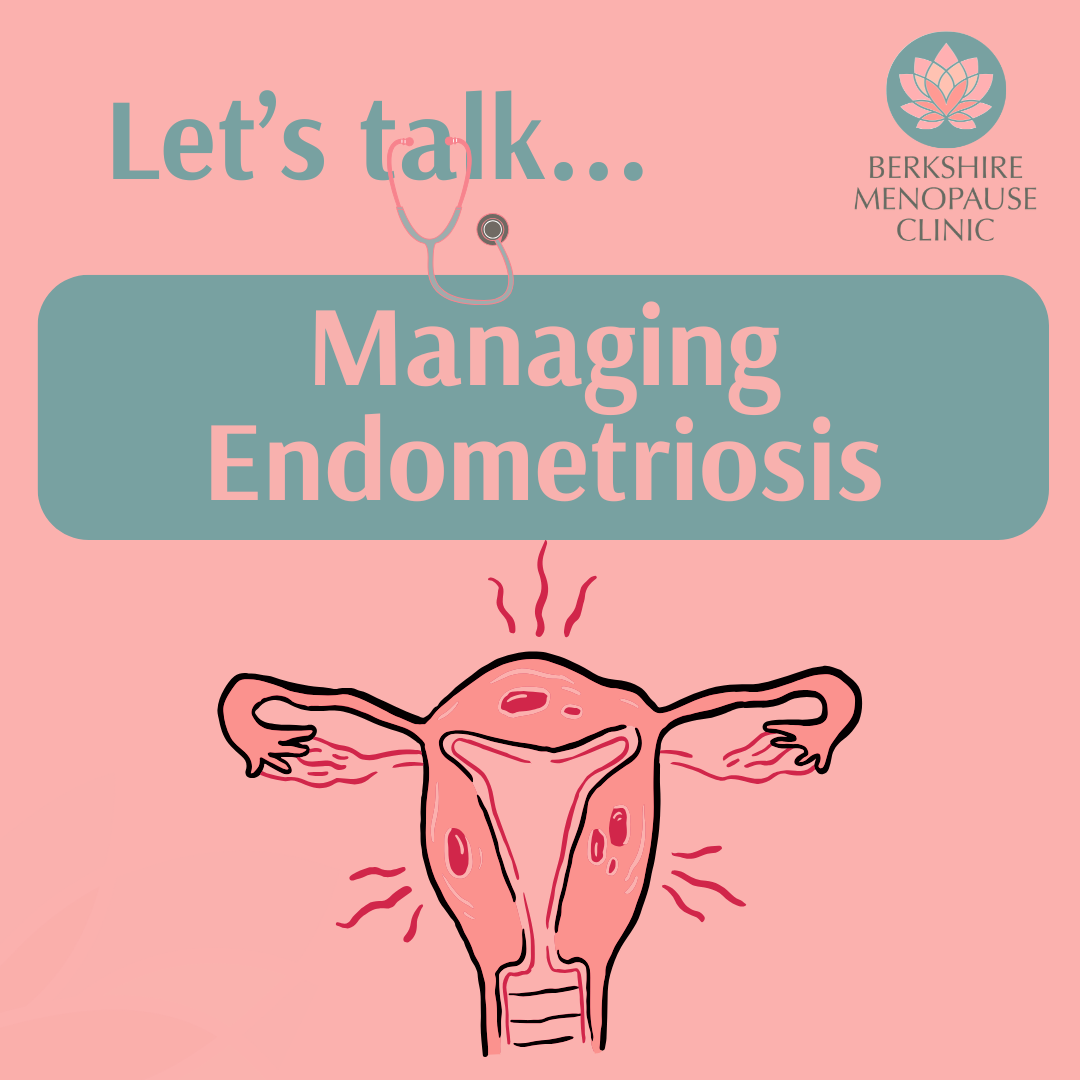
Endometriosis occurs when tissue similar to the lining of the womb (the endometrium) grows outside the womb. Most commonly, it’s found within the pelvis, affecting areas such as the ovaries, fallopian tubes, and other layers of the womb. But it can also involve the bowel, bladder, or vagina. In rare cases, it can appear in surgical scars or even distant organs like the lungs.
During a typical menstrual cycle, the lining of the womb thickens and is then shed as a period through the vagina. In endometriosis, however, tissue deposits found elsewhere in the body respond to hormonal changes in the same way — thickening and bleeding each month, but with nowhere for that blood to go. The result is inflammation, scarring, and sometimes blood-filled cysts affecting nearby organs.
Common Symptoms of Endometriosis
These changes can lead to a wide range of symptoms, which vary hugely from person to person. Common symptoms include pelvic pain; pain when opening the bowels or passing urine (often worse around your period); pain during sex; pain that radiates into the back or down the legs; heavy or prolonged periods; bloating; and nausea. For some women, symptoms are mild. For others, they can be overwhelming.
Why Early Diagnosis of Endometriosis Matters
If left untreated, this monthly cycle of inflammation and scarring can cause long-term, sometimes irreversible damage. One of the most talked-about concerns is fertility. While most women with endometriosis will conceive naturally, the condition is found in around 25% of women undergoing fertility investigations. Many of these women do go on to become pregnant — but early diagnosis is crucial so that fertility support can be offered promptly if needed.
In my work, I see women whose physical health, emotional wellbeing, and overall quality of life have been deeply affected. That’s why recognising symptoms early is so important — before life starts to feel dominated by pain and uncertainty.
I’m a firm believer that endometriosis, being the common, chronic condition it is and one that can start as early as the teenage years, makes it so important that we don’t wait until it becomes a fertility crisis in a woman’s thirties.
Why Does Endometriosis Diagnosis Take So Long?
On average, it takes over seven years for someone to receive a diagnosis. One reason is that symptoms are incredibly variable — both in type and severity — making them difficult to piece together. The severity of symptoms doesn’t always match how advanced the disease is either. Some women with extensive endometriosis have very few symptoms and are only diagnosed incidentally, for example during scans or fertility assessments.
Pain is also subjective, and because symptoms often worsen around periods, they’re frequently dismissed as “normal” bad period pain. When endometriosis affects the bowel or bladder, symptoms can closely mimic conditions such as irritable bowel syndrome or painful bladder syndrome, adding another layer of confusion.
How Is Endometriosis Diagnosed?
Getting the right support
If you suspect endometriosis, start by listening to your body. Keeping a symptom diary can be incredibly helpful in identifying patterns and giving your doctor a clearer picture. If something doesn’t feel right, seek advice early, it’s always better to ask the question.
Your GP may refer you to a gynaecologist for scans or further tests. The only definitive way to diagnose endometriosis is through keyhole surgery, although even this “gold standard” test doesn’t always detect it. For women with typical symptoms, it’s often reasonable to start treatment without surgery, especially if symptoms improve. Surgery also carries its own risks, including inflammation and scarring, which can sometimes worsen symptoms.
Endometriosis Treatment Options
Treatment should focus on improving your quality of life. Whether that’s managing pain, supporting fertility, or both. It needs to be personalised for you, with regular reviews to make sure it’s still the right fit.
Because endometriosis is driven by hormonal changes, particularly oestrogen, and much of the pain comes from inflammation, most treatments aim to reduce both. Options include simple pain relief and anti-inflammatories, hormonal treatments such as the pill, injections, implants, or an intrauterine coil, and medications that temporarily suppress ovarian oestrogen production. Surgery to remove endometriosis tissue may also be considered, either alone or alongside hormonal therapy.
For women whose symptoms are difficult to manage despite multiple treatments, referral to a specialist endometriosis centre can be invaluable, offering access to dedicated teams who provide more targeted care.
Lifestyle Support for Endometriosis
Lifestyle approaches can also play a supportive role. Reducing inflammation through stress management techniques such as yoga, meditation, or cognitive behavioural therapy; regular exercise; and dietary changes, such as limiting dairy, ultra processed food, and excess sugar, may help ease symptoms and support overall wellbeing.
Endometriosis and Menopause
Many women notice an improvement in endometriosis symptoms during menopause, as oestrogen levels naturally fall. Some treatments even induce an early menopause for this reason. While this can feel like light at the end of the tunnel, it isn’t always straightforward.
Menopausal symptoms can be severe, and hormone replacement therapy (which contains oestrogen) is often the most effective treatment. However, in women with a history of endometriosis, HRT can sometimes reactivate symptoms.
It’s a common misconception that having endometriosis means you can’t have HRT. That said, menopause treatment still needs to be personalised, taking careful account of your individual risks and benefits.
When to Seek Specialist Support
My Take Home Message
Endometriosis is common. For many women, symptoms are manageable, but for others, it can be a chronic, life-altering condition. Early recognition and treatment can make a real difference, improving both quality of life and fertility outcomes.
Support organisations like Endometriosis UK (www.endometriosis-uk.org) are an invaluable source of guidance and reassurance. And if you’re concerned, you don’t have to face it alone. Speaking to a menopause specialist early can help you feel more informed, supported, and in control, we’re here to help.
For more support with endometriosis, check out our resources page
Download here