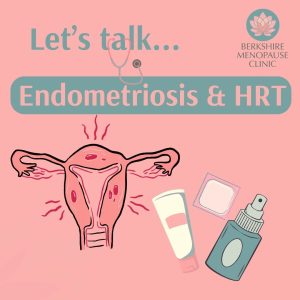
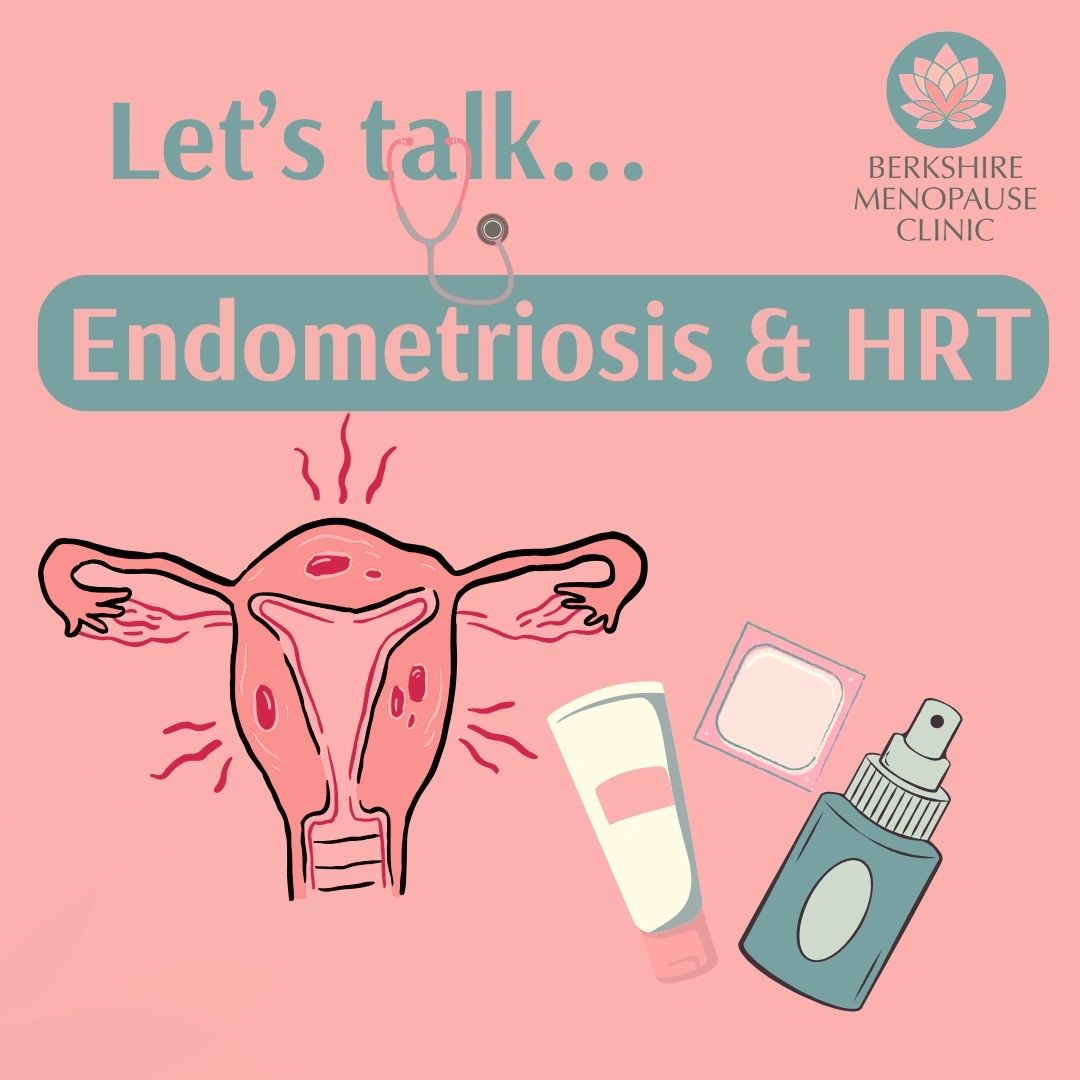
Endometriosis is a long-term condition where tissue similar to the lining of the womb (endometrium) grows outside the womb. It affects around 1 in 10 women and can have a significant impact on daily life.
Endometriosis and Menopause
After menopause, endometriosis symptoms often improve. However, many women—whether or not they have endometriosis—still need support to manage menopause symptoms. Managing endometriosis should be tailored to your individual needs, so it’s important to discuss all available options with your healthcare specialist, including lifestyle measures, non-hormonal medications, and hormonal treatments. (For a full overview of treatment choices, see our ‘Endometriosis’ leaflet).
Endometriosis and HRT
Can you have HRT?
Many women choose to take HRT for managing menopause symptoms. As HRT contains oestrogen, this can potentially reactivate endometriosis and trigger symptoms. Therefore, choosing the right type of HRT is important.
Which HRT should you use?
Alongside your personal choice, the best HRT for you depends on several factors, including your age, whether you still have periods, the extent of your endometriosis, whether you have a womb, if you are wishing to get pregnant, and your medical history. In most cases, combined HRT (oestrogen and progestogen) is recommended to prevent any remaining endometrial tissue from becoming active again. Your doctor will help you choose the safest and most effective option.
There are some points to consider when choosing HRT:
· Some treatments for endometriosis, such as GnRH medications or surgery (hysterectomy or removal of ovaries), may trigger an early menopause. In these cases, HRT is often needed sooner and sometimes at higher doses to manage symptoms and protect long-term health (e.g. bone and heart health).
· An intrauterine coil can provide the progestogen part of HRT and is often effective for heavy, painful periods. However, it may not fully prevent flare-ups of endometriosis outside the womb, when using HRT.
· Even if you no longer have a womb, progestogen may still be necessary. This is because any remaining endometrial deposits outside the womb can respond to oestrogen (similarly to womb lining) and may increase the risk of abnormal growth.
· Where possible, continuous HRT (without breaks) is preferred, as it avoids oestrogen fluctuations which often trigger symptom flare-ups.
· There is no single preferred way of taking HRT for endometriosis –oral tablets, patches, gels, and sprays are all options. The choice depends on your personal preference and any underlying health conditions or risks.
In summary, when choosing HRT regimes:
· All women with a womb (even in those ovaries have been removed) should take combined HRT (oestrogen and progestogens) for the entire time they use HRT.
· All women who have had a hysterectomy (womb removed) BUT have extensive endometriosis (outside of the womb) should take combined HRT for the entire time they use HRT.
· All women who have had a hysterectomy BUT with only mild extensive endometriosis should consider taking combined HRT until at least the natural age of menopause. After this, oestrogen-only HRT can be considered if progestogens cause unresolvable side effects or increased health risks.
· All women who have had a hysterectomy AND where no endometriosis remains, can use oestrogen only HRT.
· All women who have had a hysterectomy AND where no endometriosis remains BUT the cervix has been left behind, should be offered a ‘progestogen challenge’ (3 months of progestogen tablets). If bleeding occurs after stopping, progestogens should be continued for the entire time they use HRT, as this is an indication there is still womb lining remaining.
· All women who have had both a hysterectomy AND ovaries removed – are unlikely to experience reactivation even with HRT use. However, combined HRT is usually recommended until the natural age of menopause due to limited data
What is Tibolone — Why is this sometimes prescribed instead of HRT:
Tibolone is a synthetic steroid with oestrogen, progestogen, and androgen properties. It reduces hot flushes and night sweats, and helps improve bone strength, mood, and libido. Although it remains a good option for some women, newer HRT options have better safety data. There are also concerns about its use in women over 60, an increased risk of clots, and conflicting evidence about breast cancer risk.
Does Testosterone affect endometriosis?
Some women take testosterone alongside HRT to treat low libido. Because testosterone can be converted to oestrogen in the body, it should be used with the same precautions as oestrogen when prescribing for women with endometriosis.
If you are struggling with symptoms or suspect endometriosis, seek help early from a specialist. Early support can lead to a timely diagnosis and prevent symptoms