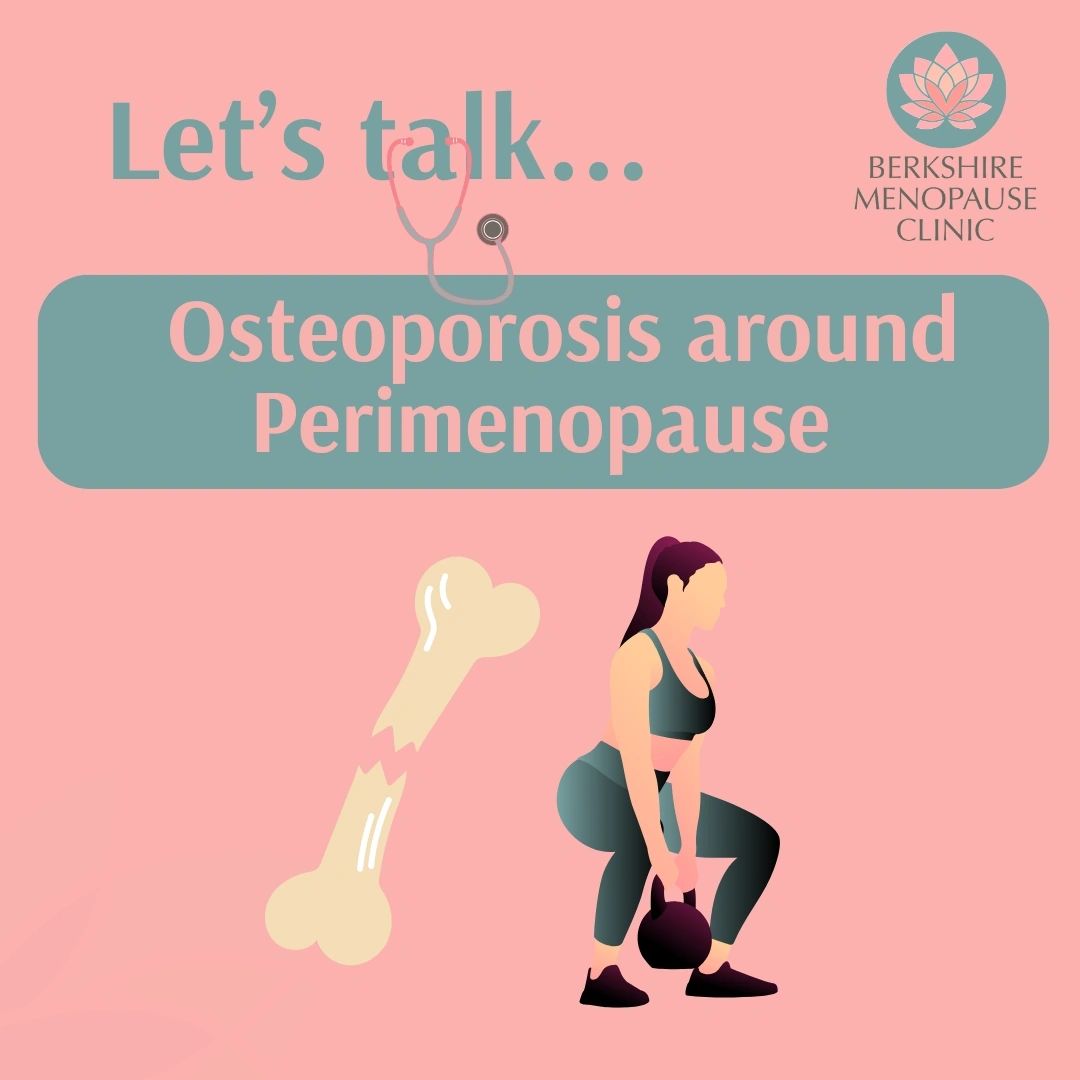
Preventing Osteoporosis Around Menopause
It is widely studied that more than half the women in the UK over the age of 50 will suffer a significant broken bone. With this rather dramatic statistic, it is surprising how few of us know this may be preventable by protecting our bones from an early age.
Throughout our life, bones undergo continual removal and growth turnover cycles. Oestrogen, one of the main female hormones, is responsible for keeping the turnover balanced so that bone density, strength and shape are maintained. When oestrogen declines, such as around menopause (the time from when our periods stop), bone density is no longer maintained, which weakens bones and puts us at greater risk of breaks. The greatest density loss occurs within a decade after menopause, with some women experiencing an incredible 20% loss. After that, there is steady reduction through into old age. BUT the time to act is way before we even reach menopause, so that we give our bones the best chance to cope with this stress.
Our muscles play a key part in maintaining bone strength, as they hold up our skeleton. Often, reduced muscle mass can be the first sign of weakened bones. Why is this related to menopause? Oestrogen is also responsible for maintaining muscle mass. Loss of oestrogen around menopause can therefore deplete muscle mass, putting undue pressure on bones.
Know your risk of osteoporosis around perimenopause and menopause
If you have an early (under 45) or even more significantly, premature menopause (under 40), oestrogen loss occurs at an earlier age, the loss of bone density will be happening for longer, meaning you are far more likely to develop osteoporosis in later life.
I appreciate that early menopause can be a very distressing experience and thinking about bone health at this time may not be a priority. However, it is important to you feel supported and get the right help early, so that we do not miss this window of opportunity to support your bones.
Other risks include a strong family history of osteoporosis; some medical conditions such as rheumatoid arthritis; long term steroid use; and lifestyle factors such as smoking, heavy alcohol consumption, and being underweight.
You may not know you are at risk, but a telling sign of weakened bones is breaking a bone easily during the littlest of injuries.
Did you know you can check if you are at risk, yourself? – The Royal Osteoporosis Society has produced a ‘risk-checker’ questionnaire on their website. This can help you feel empowered to seek help early from your doctor, should you need further support or treatment.
What if you are at risk of developing osteoporosis? – then you may need some further tests, often organised by your doctor, to determine if you may have already developed osteoporosis or osteopenia (the stage prior to osteoporosis), or if you remain ‘at risk’, how high this risk is.
Support for osteoporosis
Treatment is usually based on your diagnosis and should be individualised to your specific needs. If you have not yet developed osteoporosis, advice will usually be a holistic approach including nutrition and lifestyle support for osteoporosis prevention. If you have developed osteoporosis, you will additionally be offered medical treatments.
Lifestyle and Nutritional support for osteoporosis
Following a Mediterranean diet provides essential nutrients, and a balanced inclusion of essential proteins, fats and carbohydrates needed for bone renewal and growth.
Foods particularly important for bone health include those rich in omega oils such as salmon, mackerel and sardines, and calcium such as dairy, green leafy vegetables, broccoli, beans, legumes, and seeds. Vitamin D is also essential because it enables calcium to be absorbed correctly. The best way of obtaining Vitamin D is through sunlight. In the months we struggle to gain sunlight, taking a supplement with at least 1000 international units is recommended.
Limiting red meat, high fat dairy, processed and sugary foods, and alcohol can help reduce joint inflammation, and help maintain a healthy weight to minimise impact on our bones. Not smoking can significantly reduce the risk of developing or worsening osteoporosis.
Build muscle strength
Muscle mass can drop by as much as 10% through menopause, which can have huge negative impact on protecting our bones and joints. Maintaining and building muscle is the one area we have some control over and with simple solutions. Regular weight bearing, muscle strengthening, and balance exercises are all proven techniques for supporting bone strength. They also help keep us less wobbly on our feet and falling over, a common cause for fractures in later life.
What are the menopause treatments for osteoporosis ?Hormone Replacement Therapy HRT For Osteoporosis – This replaces declining oestrogen that causes bone density and muscle loss around menopause. We know that HRT has been proven to both prevent and treat osteoporosis in menopausal women. It is particularly important as a preventative treatment in those with an early or premature menopause, as these women are at much higher risk of fractures.
I often get asked, ‘should we all be considering HRT to prevent osteoporosis?’ Latest guidance suggests not, and that we should only be taking HRT if we have symptoms, with bone protection just being an added benefit. As a menopause specialist, I see the huge life changing impact osteoporosis can have and it’s important we look at each person’s case individually and make decisions with our patients together, weighing the risk-benefits.
You may also be interested to know that oestrogen reduces inflammation in the skeletal joint spaces. A combined effect of having weakened bones, less muscle mass and inflamed joints can result in a collection of debilitating symptoms including painful, swollen and stiff joints, and muscle pain and weakness. Often misdiagnosed as conditions such as arthritis, I commonly see women with symptoms such as frozen shoulder or clicky knees struggling to find solutions when in fact, they had needed menopause support and treatments such as HRT. Ironically, you may have found without such treatments, these symptoms have stopped you doing the exercises advised to support your bones.
HRT also has a wealth of other benefits including preventing cardiovascular disease, improving brain cognition and insulin resistance, and preventing some cancers, so this is a good option to consider.
Other medical treatments for osteoporosis
The commonest non-hormonal medications used are bisphosphonates, such as alendronate. These are very effective treatments but for many, can cause intolerable side effects such as heartburn. If you are on these medications, you will need a treatment-free “holiday” 3-5 years after starting as there are some risks of long-term use such as fractures of the thigh bone.
If you have a ‘very high risk’ of developing a fracture, you may be suitable for more specialist newer treatments, the options of which can be discussed with your doctor.
My take home message
Being proactive and practicing bone and muscle supportive lifestyle habits years before the menopause transition can give our bones the best chance to cope with stresses in the years to come. If you have already reached menopause, it’s not too late. Every bit helps and its important you get the right support, as early as possible.
For support with your perimenopause and menopause book an appointment with our specialist