Menopause Support
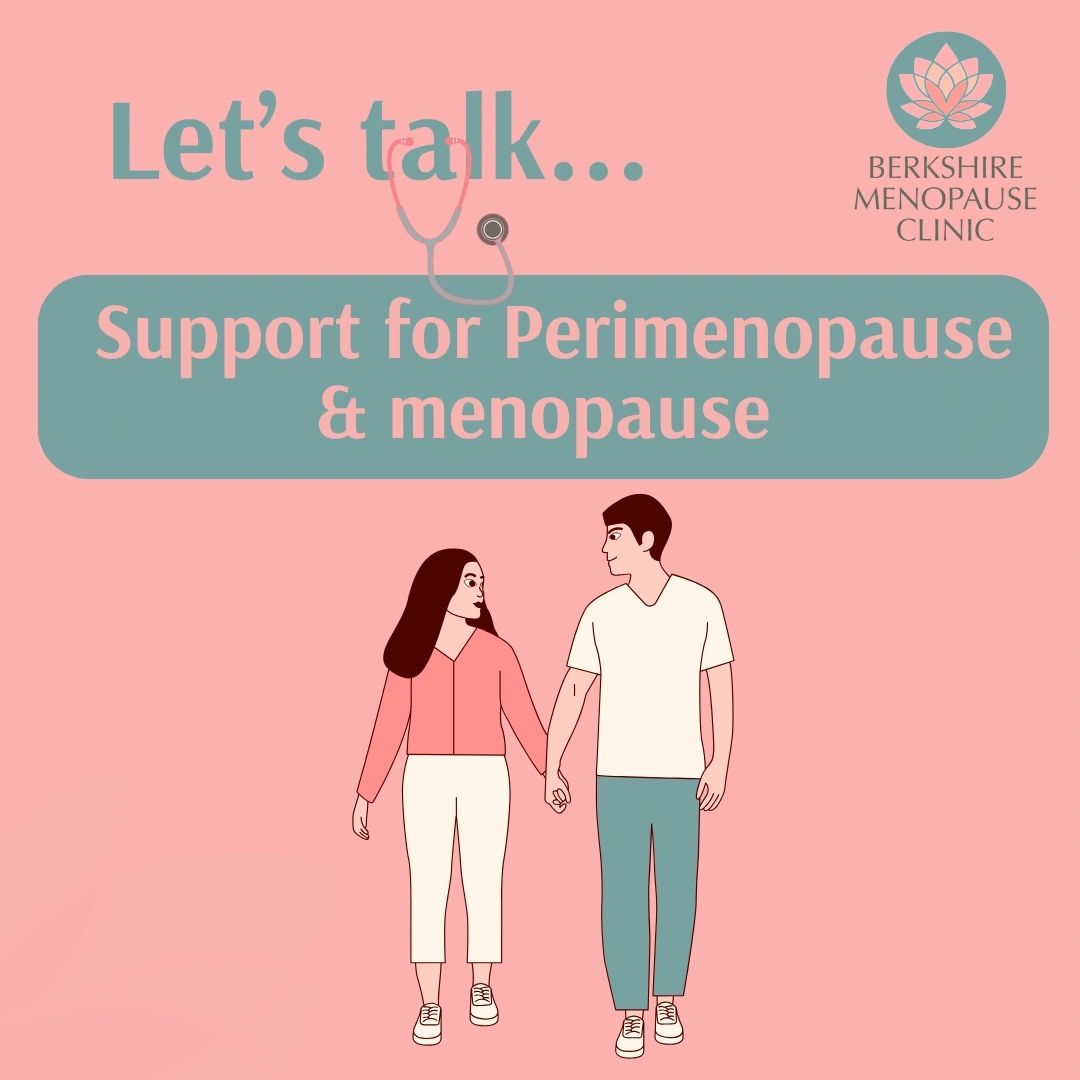
‘I was recently asked by someone at a party what kind of doctor I was. My response was greeted with a jokey remark how his wife was ‘always moaning about the change’. When I elaborated on why I was so passionate about being a women’s health expert, his smile turned serious with the realisation that his wife might be suffering some really distressing symptoms. The more we talked, the more it became apparent he felt helpless and just used humour to cope. Her symptoms were affecting both of their lives, and he barely recognised the bubbly, outgoing woman he once knew. She wasn’t at the party because she had lost confidence, was always tearful, and tired, just some of the many changes she felt. What an eye-opener this was- I support many women with menopause symptoms but what education is there for their loved ones? Menopause has many physical and emotional changes. It can be a complex and challenging time, having a huge impact on those closest, and sadly the cause of relationship breakdowns. A recent national survey on ‘menopause and mental health’ showed 40 per cent of partners struggled with knowing how to show support. Could this be you? Maybe you just don’t know where to start. Here are my tips for getting you and your partner the menopause support you need:
· Show interest— Take time to read about the menopause. By better understanding what menopause is and recognising how variable symptoms are, your support may be invaluable. If your partner is offered menopause treatments such as hormone replacement therapy, maybe take time to read about it with her.
· Don’t take it personally — Some genuine physical and psychological symptoms can result in mood changes, for example, forgetfulness, insomnia, and exhaustion to name a few. I appreciate it is not fair to expect loved ones to constantly walk on eggshells but try to show sympathy and equally don’t put everything down to the menopause. It is always helpful to reflect if anything you could do differently.
· Work as a team — Navigating a busy lifestyle, all while battling debilitating symptoms can be a real challenge. With proper support, healthy lifestyle practices can help improve mental and physical wellbeing during menopause and the years to follow. Don’t just sit on the sidelines, offer to cook healthy meals together, exercise as a family, and offer to attend health appointments with your partner. Remember, it’s okay to seek help from a menopause specialist who can guide you through the challenges together.
· Take menopause in the workplace seriously — If you are an employer, don’t treat menopause care as a tick box exercise and have a policy sitting on a dusty shelf which nobody knows exists. Staff who feel heard, supported and valued are more productive and less absent. Have menopause champions, raise awareness through educational events, provide occupational health assistance, and encourage an open, sharing culture. These are just some of the changes I help companies incorporate to be “menopause-friendly”.
· Communication is key — Listen to their personal experience. Ask them specific questions about how they would like support. Everyone’s journey is unique and there is no one size fits all solution. Don’t presume Mrs Smith from work has the same symptoms and wants the same help as your wife.
By raising awareness about menopause, I hope women will get the best support they can through this natural but important chapter.
To book an appointment with our caring specialist, contact us: