Testosterone and Menopause
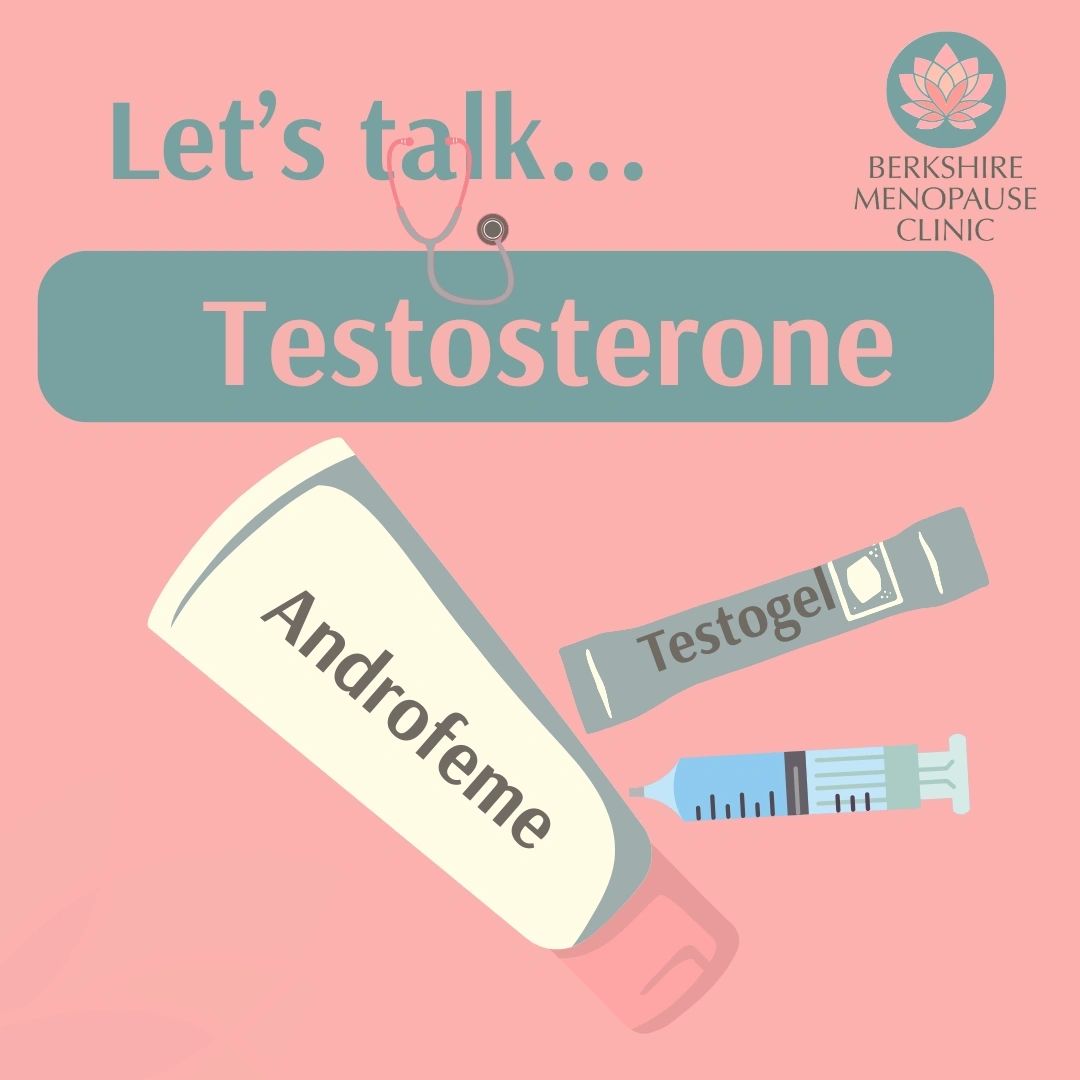
Testosterone HRT is often referred to as the ‘male’ hormone, but did you know it is also produced in huge quantities in the ovaries, adrenal glands and brain in females? This hormone is probably best known for influencing sexual desire, but there is so much more to it. In fact, we have testosterone receptors all over the body, which have an important role in energy, mood, sleep, concentration, maintaining bone density and muscle mass, and protecting us against heart disease.
With so much buzz on social media, you may be wondering if you need to be taking testosterone in perimenopause or menopause -I’m here to shed some light on this topical matter.
Like with oestrogen, testosterone levels decline around the time of the perimenopause and menopause. You may find this affects you in different ways. For many women, there is no noticeable effect. In those who do experience symptoms, the most common complaint is low libido; this may mean you desire sex less often or sex may not be as enjoyable as before. Other symptoms include fatigue, brain fog, poor memory and concentration, loss of enjoyment, low mood, muscle wasting, joint pains, insomnia, and weight gain.
So, is testosterone the magic answer for you?
The short answer is maybe! There is good evidence testosterone works. In the UK, it is currently recommended in those with persistent low sex drive, despite having HRT. In young women or those who have had their ovaries removed, testosterone levels can drop suddenly so these women often benefit from early replacement.
We use testosterone for low libido, but what about treating these other symptoms? Currently, testosterone is not generally prescribed in the absence of low sex drive, due to inconsistent evidence in its use for other symptoms. But we know from experience many patients do express improvement in low energy levels, muscle aches, and issues with memory and concentration when using testosterone. Currently there is a lot of ongoing national research for expanding the ability to prescribe outside of the current terms of use.
Is it worth exploring testosterone HRT ?
Absolutely – BUT it’s important we are getting the diagnosis right and starting it for the right reason. Not all women need extra testosterone. Believe it or not, our desire for sex is complex and often there is a combination of factors contributing to low libido. If we dig a little deeper, we may find triggers such as personal stresses and underlying health issues. Another common cause is vulval and vaginal dryness, making sex very uncomfortable. Some women struggle to admit they have never had a great sex drive or the dynamic in their relationship has changed. None of these will be resolved with testosterone. These can be really uncomfortable conversations, but it is important you feel listened to and get the right support because whatever the underlying cause, it can be hugely stressful and have impact on relationships and self-esteem. The situation then becomes a vicious cycle and can feel catastrophic, as being stressed in turn worsens low sexual desire.
My advice is taking a step wise approach and introducing one medication at a time, so you know what is working. For most women, HRT will resolve symptoms. The next step maybe adjusting your dose or type of HRT. Did you know most oral HRTs in fact lower testosterone levels. Oral oestrogen increases the chemical Sex Hormone Binding Globulin. This mops up testosterone, reducing the amount circulating in your body. Changing to a patch, spray or gel may resolve this issue.
If HRT alone does not help, it is worth exploring testosterone at this stage, which can be safely taken alongside HRT. A 3-month trial is often enough to see improvement. If this does not help, it is unlikely to be the solution.
Do you need blood tests?
Treatment with testosterone is usually based on symptoms alone as low testosterone levels do not necessarily corelate with having symptoms and vice versa (having high level does not mean you won’t have symptoms). It is good practice to do a blood test before starting treatment and then occasionally, to check levels stay within female range. Outside of this range can potentiate side effects including acne, local hair growth, or very rarely, virilisation (including a deepening voice and enlarged clitoris).
Is testosterone HRT available on the NHS?
In the UK, there are guidelines supporting the use of testosterone, but you may not be aware that it is not actually licenced for use in women, which may influence prescribing restrictions for your local NHS GP surgery. Even without these restrictions, some GPs prefer to refer you for specialist care. This can be frustrating, but ‘off-licence’ prescribing falls outside of usual practice. A doctors first aim is to cause no harm to patients, so they may seek advice from a menopause expert if it is unfamiliar territory.
Take home message
Managing your menopause symptoms should be personalised. If you feel your current treatments do not control your symptoms, seek help from a specialist who really takes the time to listen to your symptoms and concerns, to ensure this is the right treatment for you. We are here to help.
To book an appointment :
www.berkshiremenopauseclinic.com