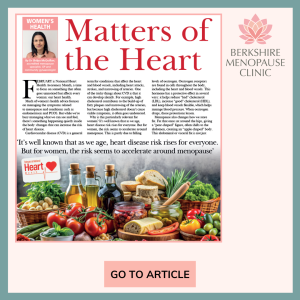
Heart disease around menopause
February is National Heart Health Awareness Month, a time to focus on something that often goes unnoticed but affects every woman: our heart health.
Much of women’s health advice focuses on managing the symptoms related to menopause and conditions such as endometriosis and PCOS. But while we’re busy managing what we can see and feel, there’s something happening quietly inside the body: changes that can increase the risk of heart disease.
What is heart disease?
Cardiovascular disease (CVD) is a general term for conditions that affect the heart and blood vessels, including heart attacks, strokes, and narrowing of arteries. One of the tricky things about CVD is that it can develop silently. For example, high cholesterol contributes to the build-up of fatty plaques and narrowing of the arteries, but because high cholesterol doesn’t cause visible symptoms, it often goes undetected.
Why is Heart disease around menopause relevant?
It’s well known that as we age, heart disease risk rises for everyone. But for women, the risk seems to accelerate around menopause. This is partly due to falling levels of oestrogen. Oestrogen receptors are found in cells throughout the body, including the heart and blood vessels. This hormone has a protective effect in several ways: it helps reduce “bad” cholesterol (LDL), increase “good” cholesterol (HDL), and keep blood vessels flexible, which helps manage blood pressure. When oestrogen drops, those protections lessen.
Menopause also changes how we store fat. Fat that once sat around the hips, giving a “pear-shaped” figure, often shifts to the abdomen, creating an “apple-shaped” body. This abdominal or visceral fat is not just cosmetic; it wraps around vital organs like the liver and stomach and is associated with higher risks of diabetes and heart disease.
What else affects heart health?
It’s not just menopause that affects heart health. Conditions like endometriosis, PCOS, and PMDD are increasingly recognised as inflammatory or hormone-driven disorders. Chronic inflammation, pain and stress can all contribute to weight gain, fatigue, and unhealthy lifestyle choices. Over time, these factors can quietly raise the risk of heart disease, even before menopause begins.
Even menopause and hormone-related symptoms themselves such as hot flushes, night sweats, low mood, and poor sleep can indirectly affect heart health. Poor sleep and low motivation often lead to reduced exercise, stress eating, and other habits that contribute to weight gain and high blood pressure. Some women may also notice palpitations or an irregular heartbeat. While often harmless, persistent palpitations should be checked to rule out underlying heart issues.
Prevention Is Key
I can hear the sighs—another thing to worry about. But there’s reason women’s health experts are highlighting heart disease for women: while it’s serious, it’s also largely preventable, and now is the perfect time to take action.
Here are some of my key tips for a happy, healthy heart:
Stay active
Exercise is one of the most effective ways to protect your heart. Aim for 150 minutes of moderate activity or 75 minutes of vigorous exercise per week. Even moving regularly throughout the day is proven to help maintain weight, blood pressure, and mental wellbeing.
Eat a heart-friendly diet
Focus on vegetables, fruit, whole grains, lean protein, and healthy fats. A Mediterranean-style diet is excellent for controlling cholesterol, blood sugar, and weight. Avoiding processed foods, high sugar, and saturated fats also makes a big difference.
Look after sleep and mental health
Poor sleep and stress increase blood pressure and inflammation. They also make unhealthy eating and inactivity more likely. Supporting mental wellbeing is as important for your heart as physical activity.
Know your numbers
Keep track of your blood pressure, cholesterol, blood sugar, Body Mass Index (BMI), and waist circumference. Understanding these results can help you take action before problems arise. You may not be familiar with what each number means, but your specialist can help explain your risk and what steps to take.
Quit smoking
Smoking directly increases cardiovascular risk and can worsen menopause symptoms such as hot flushes and night sweats.
Consider hormones, including HRT
Hormone replacement therapy (HRT) can ease fluctuating hormone and menopause symptoms like fatigue, low mood, and joint pains, symptoms that may otherwise contribute to weight gain or inactivity. Evidence also shows women who start HRT within ten years of menopause, or under 60, may have a lower risk of heart disease. Transdermal forms (patch, gel, or spray) through the skin are particularly safe for women concerned about clot risk. Women who experience early menopause (before 45) are especially advised to discuss HRT and other hormonal support with their doctor.
My Take-Home Message
Heart health in women is influenced by menopause, hormonal and inflammatory conditions, lifestyle, and overall wellbeing. By focusing on healthy habits, staying active, eating well, managing stress, getting good sleep, keeping on top of your health checks, and seeking appropriate medical support, women can protect their hearts and improve overall wellbeing.
Book an appointment with our specialist who can support you with your hormonal health
Download here