From Cervical Smears to Gut Checks: Why January Is the Month to Book Your Women’s Health Screening
January often feels like a fresh start — new goals, new routines, maybe even a new diary full of good intentions. But while many of us plan to eat better or exercise more, there’s one kind of “reset” that often gets forgotten: our women’s health screenings.
Yes, life is busy. And yes, tests and check-ups can feel a little scary or uncomfortable. But taking time to look after your health now is one of the most powerful ways to protect your future self. Think of it not as a chore, but as an act of self-respect — a moment to make sure your body is doing well beneath the surface.
This month is Cervical Cancer Awareness Month…
….making it the perfect reminder to book your cervical screening ‘smear’ test — and to take stock of the rest of your body’s needs, from breast checks to gut health
Let’s take a closer look at the key women’s health screenings worth keeping on your radar this year.
Cervical Screening
Cervical screening (previously called a “smear test”) looks for early changes caused by the human papillomavirus (HPV), changes that, if left untreated, could lead to cervical cancer.
It’s available free on the NHS for anyone with a cervix aged 25 to 64 and usually takes just a few minutes. The test doesn’t diagnose cancer; instead, it helps prevent it by finding and treating abnormal cells before they have the chance to become serious.
It’s completely normal to feel anxious or hesitant about booking your appointment. You might worry about discomfort, feel embarrassed, or have had a difficult experience in the past. If that’s the case, reach out for support, you can ask your GP surgery for a pre-appointment chat, or talk through ways to make the test more comfortable, and so you feel safe and informed every step of the way.
So, if your letter is sitting on the kitchen counter or you’ve been meaning to book, let January be the month you do it. A short, simple test today can give you peace of mind for years to come.
Breast Health — Getting to Know What’s Normal for You
Your breasts naturally change with your cycle, age, and hormones, so it’s important to know what’s normal for you. That way, you’ll be more likely to notice any changes early.
Once a month — ideally at the same point in your menstrual cycle — take a few minutes to check your breasts, perhaps in the shower or while lying down. Look and feel for lumps, thickening, skin dimpling, nipple changes, discharge, or pain that doesn’t go away.
If you’re unsure what to look for, ask your healthcare professional to show you how to examine your breasts during your next appointment. They can guide you on what’s normal and when to seek advice.
If you’re aged 50 to 71, you’ll be invited for a mammogram every three years through the NHS Breast Screening Programme. Most breast cancers found through screening are detected early, when treatment is most effective.
And if you ever notice something that feels unusual — no matter your age — don’t wait. Speak to your GP. Regular checks help you understand your body, and getting any change looked at early is always the best step.
Gynaecological Health — Getting to Know Your Body
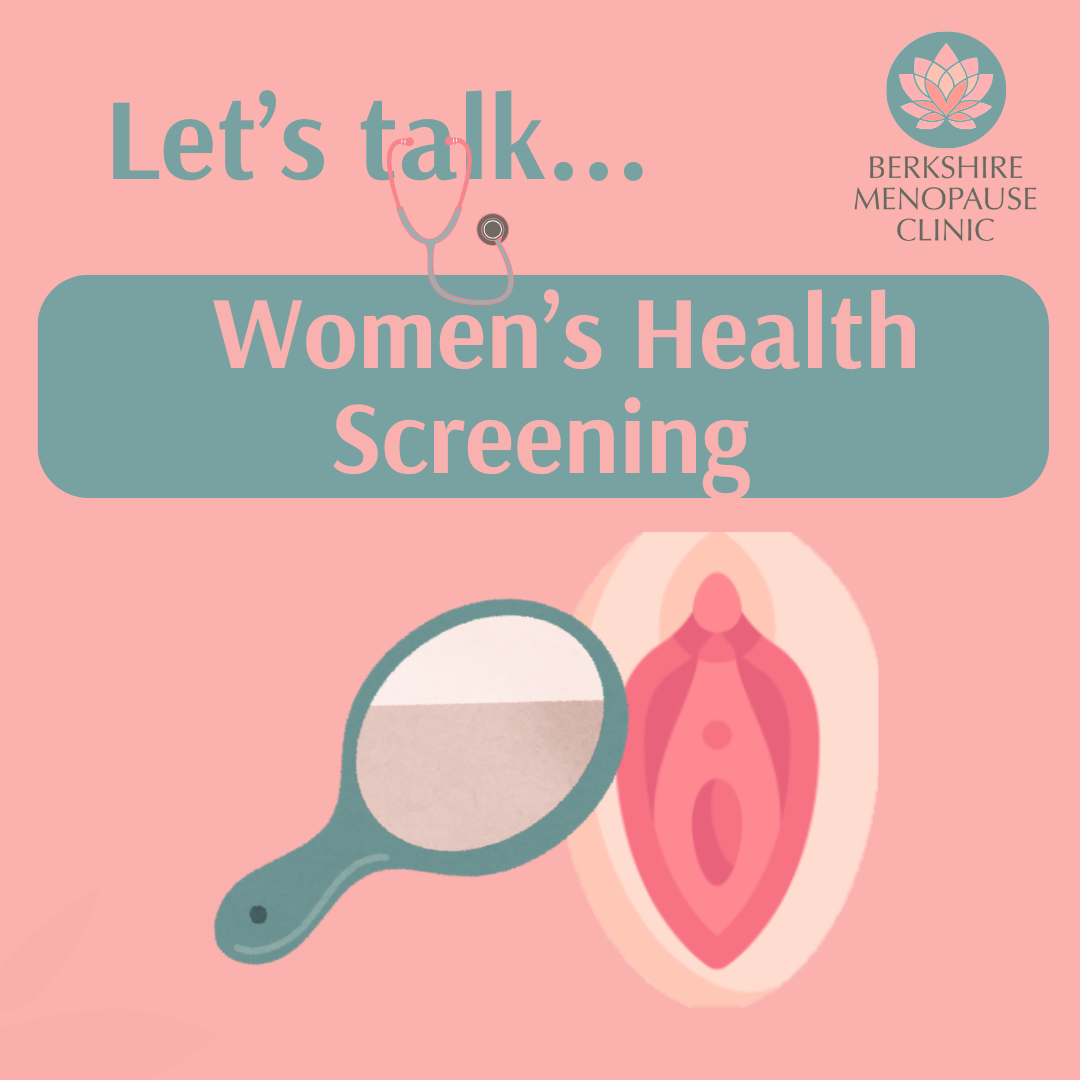
Your vaginal and vulval health is just as important as any other part of your wellbeing — but it’s something many of us feel shy talking about. Taking the time to get to know what’s normal for you means you’re more likely to spot when something isn’t right or changed for you. . So grab that mirror and get looking.
Watch for any new or unusual signs, such as: Changes in discharge (colour, smell, or consistency); Persistent itching, burning, or irritation; Lumps, sores, or thickened skin on the vulva; Bleeding between periods, after sex, or post-menopause
It can be tempting to self-treat symptoms like itching or discharge with over-the-counter remedies, but if they don’t improve or keep coming back, it’s important to see a GP or women’s health clinic. Correct diagnosis ensures you get the most appropriate treatment.
Ovarian health also deserves attention, as early symptoms of ovarian problems can be subtle. Be mindful of persistent bloating or a feeling of fullness after eating small amounts; ongoing pelvic or abdominal discomfort; changes in urinary habits (needing to go more often or urgently, unable to fully empty your bladder); unexplained fatigue, weight changes (including unexplained weight gain around the middle), menstrual irregularities, changes to discharge especially after menopause
These signs often have harmless causes, but if you notice them consistently, it’s best to get checked.
Bowel Health — Listening to Your Gut Instinct
Gut health plays a big role in how we feel day to day. It affects energy levels, hormones, mood, and even skin — yet it’s often the part of our health we pay the least attention to.
If you’re aged 60 to 74, you’ll receive an NHS bowel cancer screening kit every two years. It’s a simple, at-home test that looks for tiny traces of blood in your stool — often long before you’d notice any symptoms.
But bowel health matters at every age. While routine screening starts at 60, bowel cancer is increasingly being diagnosed in younger people too. That’s why it’s important to be aware of the early warning signs and to look after your gut even if you feel well.
You can support your digestive health by eating more fibre, drinking plenty of water, cutting back on processed and high-fat foods, not smoking, and staying active. These simple habits help keep your bowels regular and reduce inflammation in the gut.
See your GP if you notice: persistent bloating; changes in bowel such as looser stools, going more often, or the opposite (ongoing constipation); Blood in your stools; A feeling that you need to open your bowels but can’t (tenesmus); Lumps or discomfort in the rectum; Unexplained weight loss or tiredness
These symptoms are often caused by minor issues, but it’s always best to get them checked early — just to be sure.
Hormones, Vitamins & Metabolism — A Winter Check-In
Feeling unusually tired, low, or sluggish this winter? You’re not alone. Low sunlight and festive fatigue can mask other issues like low vitamin D, iron deficiency, or thyroid changes.
A simple blood test can help rule these out. If you’ve been struggling with energy, mood swings, or weight changes that don’t make sense, talk to your GP or pharmacist. These checks can often be done quickly and give real insight into how your body’s doing.
It’s also a good time to review your blood pressure, cholesterol, and blood sugar — especially if you’re over 40 or have a family history of heart disease or diabetes. Prevention really is better than cure.
Mind & Mood — The Most Overlooked Check-Up of All
January can feel heavy: the holidays are over, the days are short, and “Blue Monday” headlines don’t help. But mental health matters just as much as physical health.
Make time for small things that lift you — walks, connection, creativity, or simply slowing down. If you’re finding it hard to cope, remember that help is available: your GP can offer support, or you can reach out to Mind (0300 123 3393) or Samaritans (116 123) any time.
Taking care of your emotional wellbeing is another kind of screening — it helps you notice when something isn’t right, before it builds up.
My Takeaway
January doesn’t need to be about harsh resolutions or impossible goals. It can simply be a moment to pause, listen, and check in with your body.
Booking your cervical smear, mammogram, or blood test might not feel glamorous — but these small steps are acts of strength and self-care.