Testosterone replacement in menopause
What is testosterone replacement therapy?
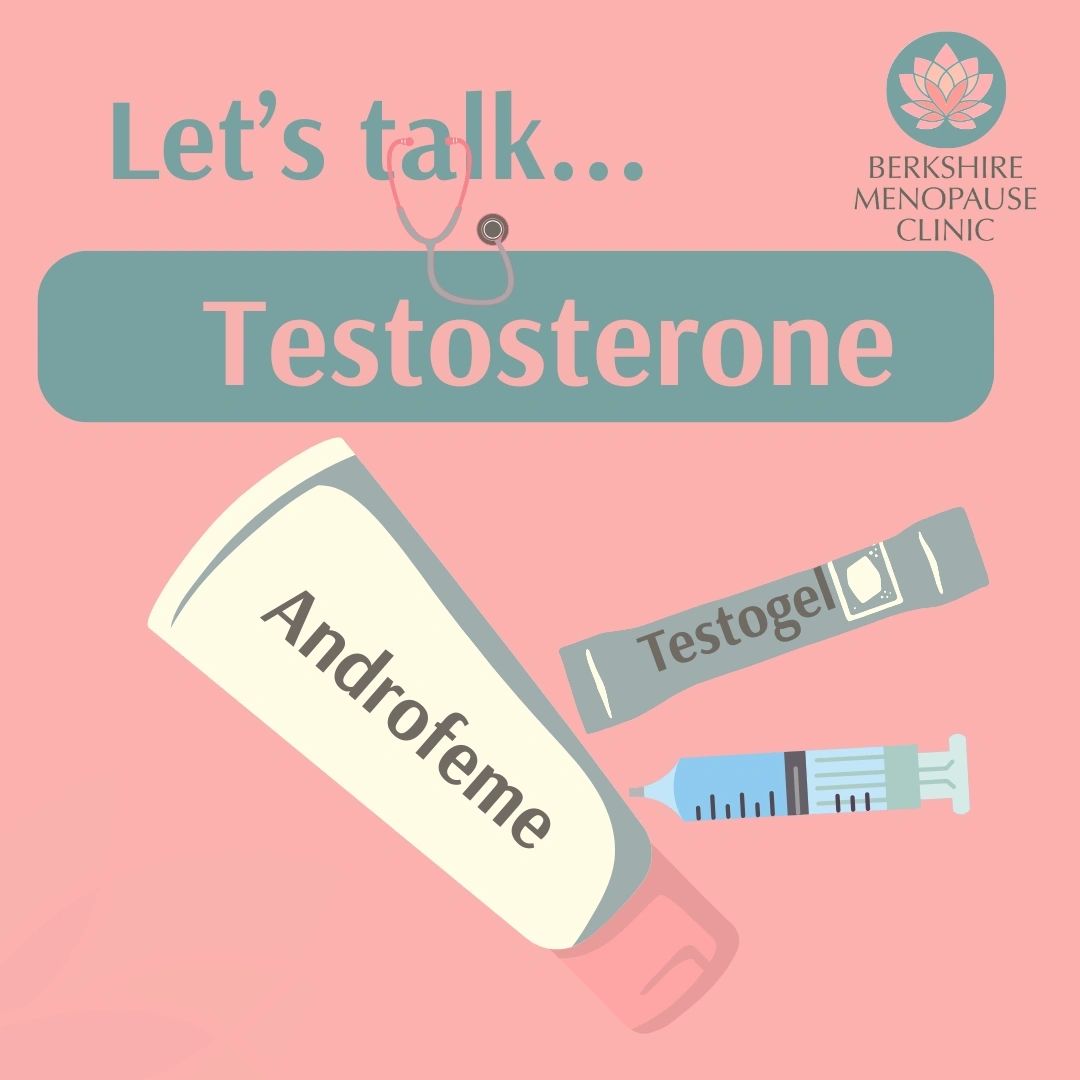
These are preparations used to replenish the body’s natural testosterone levels. Example brands include Tostran, Testogel and Androfeme Testosterone is commonly thought of as the ‘male’ hormone. However, it is also produced by the ovaries (and adrenal glands) in women. Low levels of testosterone can lead to symptoms including low sex drive (low libido); mood; energy, joint & muscle pains, and poor memory & sleep.
How do I know if I am suitable for testosterone?
Some women find oestrogen Hormone Replacement Therapy (HRT) improves their symptoms. However, some continue to experience symptoms suggestive of low testosterone. These women may benefit from testosterone replacement, which can be safely taken alongside oestrogen HRT and vaginal oestrogen.
If you have had an early or surgical (removal of your ovaries) menopause, your testosterone levels can drop abruptly, and you are more likely to suffer symptoms, needing early testosterone replacement.
In the UK, testosterone replacement is only recommended in those women who continue to have low sex drive despite adequate oestrogen HRT replacement. However, it is becoming widely recognised that testosterone therapy can improve many other symptoms suggestive of low testosterone.
One brand available privately, AndroFeme® must not be used in those with an almond allergy (It is important to let your doctor know if you have this allergy).
Do I need a blood test?
It is helpful to measure testosterone blood markers before starting treatment and then periodically. This is to ensure they remain within normal physiological range. If your levels remain stable, you may be advised to have a yearly blood test thereafter. Your dose of testosterone can be adjusted depending on your symptoms and blood levels.
What are the Side effects?
Side effects are rarely seen with testosterone treatment in women, as doses are low, and levels are monitored regularly.
Some women may notice increased hair growth at the site of application, greasy skin, acne, and weight gain. Other rarer side effects include facial hair, voice deepening, and clitoral enlargement.
What are the risks of testosterone?
There is lack of long-term data, but studies to date suggest that there is no increased risk of heart disease, breast cancer, or stroke in the short term (up to 5 years). In fact, there is good evidence for benefits such as improved cardiovascular health, bone and muscle strength, and brain health.
How do I use testosterone?
Testosterone is supplied as various brands (either creams, gels, or rarely implants), and these are absorbed through the skin. Each brand is used slightly differently, and we have produced a table below to summarise them. In general, you need approximately 5mg per day to start.
§ Application should be on clean, dry skin on either the upper outer thigh; buttock; lower tummy; or inner forearm. We recommend you regularly rotate the site of application, and only apply to skin areas with fewer hair follicles such as the outer thighs, buttocks, lower tummy, or inner forearm.
§ The gel should be rubbed in, and hands washed immediately with soap and water. Allow around 30 seconds to dry before wearing clothes, and around 30 minutes before applying creams (moisturisers or sun creams), bathing, or exercising.
§ We would recommend applying the cream or gel at the same time each day for the best effect.
How long before I see any improvement?
Response to testosterone treatments differs in each person. Some women notice improvement immediately, some report a few months for the full effects. When we monitor your blood levels, your dose can be adjusted if needed.
Some patients starting testosterone treatments may already be on oral preparations of oestrogen HRT. Oral oestrogen can increase levels of sex hormone binding globulin which in turn reduces the amount of free testosterone in your blood stream. Not only can this worsen symptoms of low testosterone such as low sexual desire (libido) and energy but if you then start testosterone replacement, you may not feel any improvement. Switching to a transdermal preparation (through the skin) may resolve this issue.
Testosterone does not work in everybody. If you show no response by 3 months, we may recommend you stop treatment, and we explore other causes for your symptoms.
For more support with your menopause symptoms, book an appointment with our accredited menopause specialist