Every September, we shine a light on gynaecology cancers – those that begin in the female reproductive tract. These include ovarian, cervical, uterine (womb), vaginal, vulval, and the lesser-discussed fallopian tube cancers.
Gynaecological cancers can affect anyone with female reproductive organs, including trans men and non-binary people.
Whilst you may feel shy or awkward, it’s vital to raise awareness, have open conversations, and recognise the signs early – because being proactive saves lives.
Why Are Women Still Delaying Seeking Help?
Shockingly, many women still do not know what gynaecology cancer symptoms to look for. You might feel embarrassed to talk about genital health, or the topic may be too close to home, triggering painful memories if a loved one has experienced cancer. For others, fear of cancer itself can prevent seeking help.
Let’s break the taboo and start talking.
The First Step — Know Your Body
If you don’t know what’s normal for your body, how will you recognise when something isn’t right? And how will you confidently tell your healthcare professional where the issue is?
I’m often surprised how many patients admit they’re unsure of the difference between the vulva and vagina.
How to empower yourself?
- Be curious about your body – check your genitals regularly with a mirror.
- Track your periods and any pattern changes for example heavier flow or clots.
- Take note of any other symptoms — discharge, bloating, pelvic pain, or new bowel/bladder symptoms.
- Keep up to date with gynaecology screening tests and health checks. If you’re unsure why certain tests are important, ask questions so you can make informed decisions.
Remember: everybody is unique. What’s normal for one person may be unusual for another. By knowing your baseline, you’ll spot changes sooner – and seek help earlier.
Know What to Look For
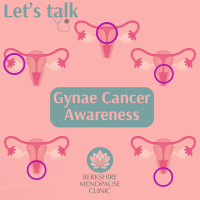
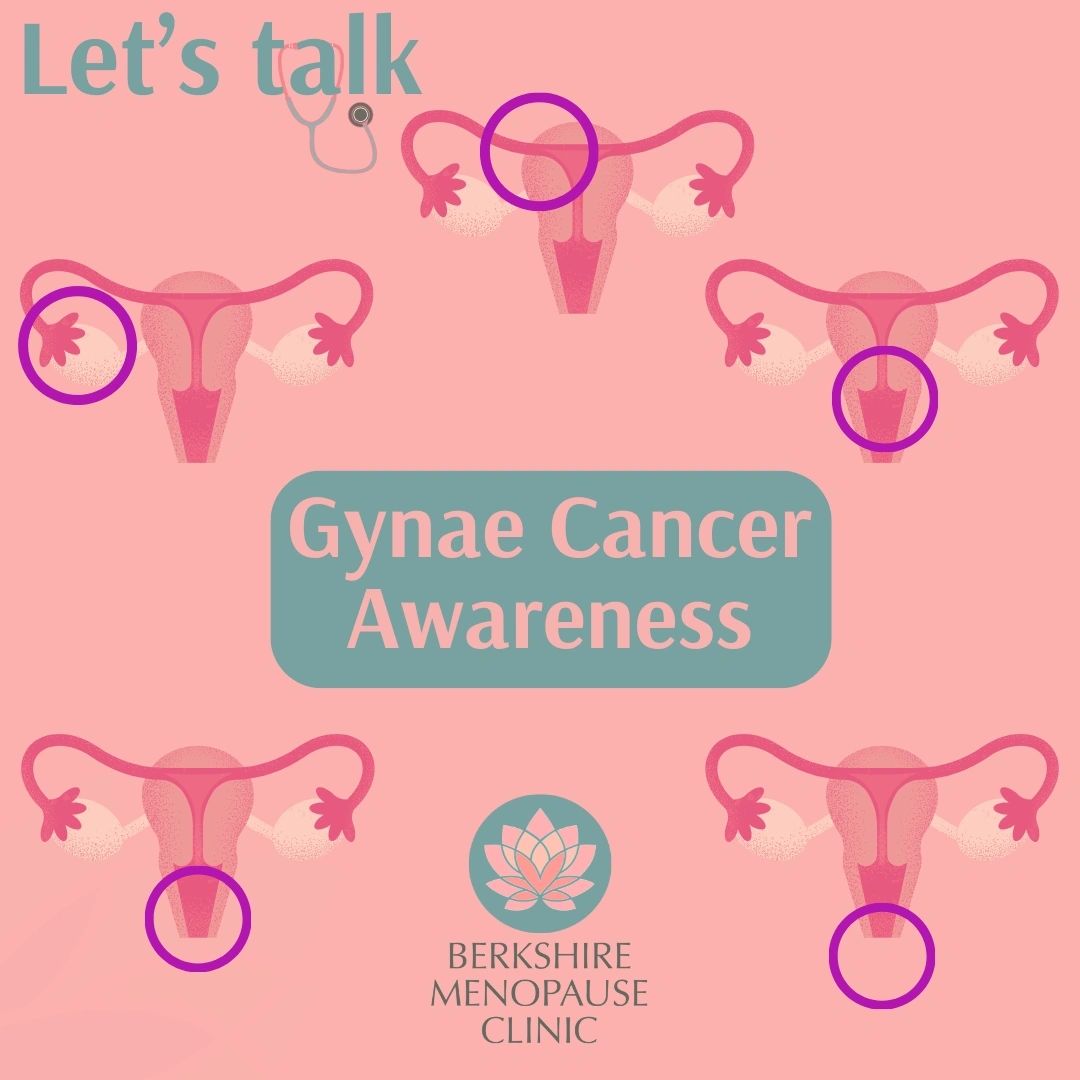
Symptoms vary depending on the cancer type (see illustration below). These symptoms don’t always mean cancer – many benign conditions cause similar signs – but they should never be ignored. If you notice something unusual, check in with your doctor.
Sarah’s Story
“I was 38, a busy mum of two, and almost ignored the spotting I noticed between periods. I thought it was stress. Something told me to see my GP. Tests revealed early-stage cervical cancer. It was scary, but because it was caught early, my treatment worked. Now I tell every woman: listen to your body and don’t wait to get checked.”
Sarah’s experience shows how trusting your instincts can make all the difference.
Get the Right Advice – Your Cancer Myths, Demystified
When it comes to gynaecological cancers, myths often lead to confusion, fear, or false reassurance. Let’s clear up some common misunderstandings:
“Only older women get gynaecological cancers.”
While age increases risk, these cancers can affect women of all ages. Cervical cancer, for example, is most common in women under 65.
“I’ve had my womb removed, so I can’t get gynaecological cancer.”
Not true. A hysterectomy removes the womb, sometimes the cervix and ovaries, but not always all reproductive tissue. Remaining tissue can still develop cancer. Stay aware of your body and report unusual symptoms.
“I have no symptoms, so I don’t need screening.”
Many gynaecological cancers are silent in early stages. Some vague symptoms, like bloating or mild pelvic discomfort, may seem harmless. Routine screenings are crucial – they can detect changes before symptoms appear. Keeping a diary of your health and speaking up if something doesn’t feel right is the best way to catch potential problems early.
“My smear test was normal, so my new symptoms can’t be cancer.”
A normal cervical screening is reassuring, but it only checks for cervical cancer (and precancer). It does not rule out cancers of the womb, ovaries, vagina, vulva, or fallopian tubes. It’s also important to remember, screening is a snapshot tool for prevention and new symptoms should always be checked, regardless of your last result.
“Having the HPV vaccine means I can’t get cervical cancer.”
The Human Papilloma Virus (HPV) vaccine dramatically reduces the risk of cervical cancer and some other cancers linked to the HPV virus but does not protect against all cancer-causing strains or other gynaecological cancers. You still need screening and be vigilant to any unusual changes.
“The contraceptive pill causes cancer.”
Research shows long-term use of the combined pill may slightly increase cervical cancer risk but also significantly reduces the risk of womb and ovarian cancers. Your doctor can help weigh up the risks and benefits for you personally and help support you to make informed choices.
“I need to worry as there’s cancer in my family.”
While family history can play a role, most gynaecological cancers are not inherited. Inform your doctor if you have a family history – it may influence more regular screening or specialist care but remember genetics is just one piece of the puzzle – lifestyle factors, age, and even chance all contribute.
My take home message
Awareness begins with open conversations, regular self-checks, attending screening, and having the courage to seek help when something feels off.
No concern is too small – getting early reassurance is always better than a late diagnosis.
Share information from reputable sources, encourage loved ones to prioritise their health, and most importantly – listen to and know your body.
🔗 For more information and support, visit:
Macmillan | The Eve Appeal | Target Ovarian Cancer | Ovarian Cancer Action | GRACE Charity
For support with any women’s health or gynaecology symptoms or worries you have, book an appointment with our caring team