September is ‘gynae’ gynaecology cancer awareness month….
I know that thinking and talking about gynaecology and vulvovaginal health may be difficult. Understandably, for some it can be incredibly triggering, especially if there is already a personal experience of cancer. Many women choose avoidance as the thought of finding something abnormal causes significant anxiety.
BUT the most common reason women do not speak about their gynae health is embarrassment, with any such conversations being too taboo.
It shouldn’t be this way. Discussing your body or any health concern is not ‘tasteless’, ‘out-of-place’, or ‘inappropriate’- just some of the words patients tell me have been described.
If we don’t talk about it, how will we differentiate normal from abnormal? How will we know when to seek medical care?
Gynae cancers can affect ANYONE born with female organs, including those who are non-binary or trans male whom still have reproductive organs. Yet despite affecting at least half the population, awareness is shockingly low amongst both men and women. In fact, many of my patients admit to having little knowledge of their anatomy, with very few understanding the difference between the vulva and vagina.
I’m here to help you take control.
So, what can you do?
Familiarise yourself with your own body. Be curious and regular check your genitals. Everyone is unique, and genitals come in all different shapes, skin tones, and sizes. It’s important you know what feels and looks normal for you.
Keep a track of your cycles and make a note of any changes to your usual symptoms, or the start of completely new or unusual symptoms including bleeding between periods, discharge, bloating, pain in your pelvis or abdomen, vulval or vaginal itching, and bowel or bladder changes.
If you are post menopausal, and not having periods, be vigilant of ANY bleeding as well as the symptoms described above.
Keep up to date with tests you have been invited to attend which include cervical, breast and bowel cancer screening. If you are unsure why these tests are important or relevant to you, seek support so you can make informed choices about what is the right decision for you.
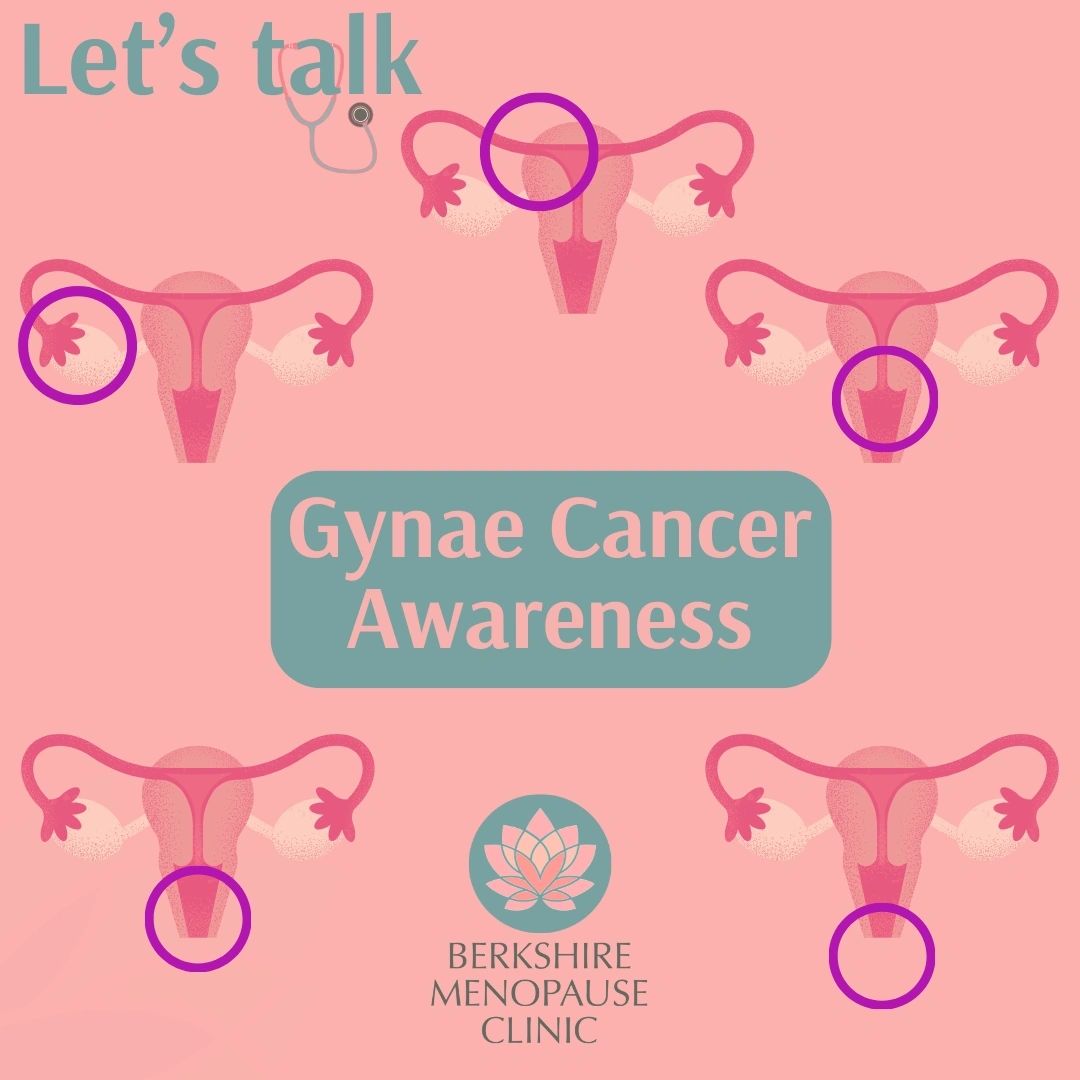
Know what to look for. Gynae cancers are ones that start in the female reproductive/ genital tract. The main types are ovarian; womb, including the endometrium (womb lining); cervical; vaginal; and vulval. Fallopian tube cancers also occur but are often missed in the discussion of gynaecological cancers. This is because historically it was thought that cancers found in the fallopian tube (the tube that connects the ovaries to the womb) were ones that had spread from the ovaries, whereas we know more now, that they can be the original source of some cancers.
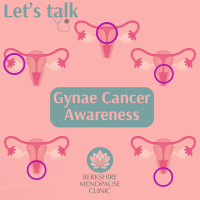
Each cancer type presents in different ways, as demonstrated in the picture below. Whilst some symptoms are non-specific and could relate to any of the cancers, others are more indicative of one particular cancer.
However, noticing these changes does not mean you have cancer, and in fact there are many benign (non-cancerous) conditions that present with similar symptoms.
The first step to spotting cancer is to know what is normal for you. What may be a sign of cancer for one person, may just be a normal variant for another. But noticing any unusual changes for you, gives you the opportunity to seek support from your doctor early and get reassurance, or the right help early should you need it.
Common cancer myths demystified
· Gynae cancers only affect older women
It is true that as we get older we are more likely to develop gynaecological cancer. However, any gynaecological cancer can also occur in younger women.
· I cant get gynae or womb cancers if I’ve had my womb removed (hysterectomy)
This is not true. There are different types of hysterectomy operations. Some involve taking out just the womb, some involve also removing the cervix and ovaries. The vagina and vulva are not removed during a hysterectomy unless as part of a bigger operation. Sometimes the intention is to take out all of an organ but in reality, this may not happen if the surgeon is worried during the procedure about damaging nearby structures. Therefore, even if a small part of an organ remains, you can still be at risk of cancer.
. I cant have cancer, I don’t have symptoms
This is a tricky one as many cancers in the early stages do not present with symptoms or symptoms are vague and similar to those in benign, non-cancerous conditions. This is why its important to attend screening when invited (to detect pre-cancerous or subtle changes) and also keep a diary of any unusual symptoms so that if these persist you can get help early.
· My cervical screening test is normal, my symptoms can’t be cancer.
Even if you have a normal screening test, symptoms outside of your screening invite such as bleeding between periods or after sex, can be concerning and still need separate investigation.
Only cervical cancer (and precancer) can be detected with the cervical screening test. As it detects the virus HPV, which is found in some vulval and vaginal cancers, then this may alert your doctor to organising more investigations if you have any worrying lesions on the vulva or vagina but the screening test itself does not directly detect vulval or vaginal cancers, or other gynae cancers (womb, ovarian or fallopian).
If one of these other types of cancer is suspected, it is important you are referred for the appropriate tests.
· Taking contraception can increase my risk of cancer
Taking the contraceptive pill long term may be linked to an increased risk of developing cervical cancer, if taken long term. It has also been shown to reduce the risk of womb and ovarian cancer. Everyone’s risk of developing cancer is different. If you are concerned, speak with your GP or specialist who can discuss your individual risk.
For more information, take a look at these resources: Macmillan; The Eve Appeal; Target Ovarian Cancer; Ovarian Cancer Action; Jo’s Cervical Cancer Trust; GRACE Charity
For more support and information, visit